In 2024, the UK fluid power sector was worth an estimated £1.1 billion, with hydraulics accounting for around 80% of the total market. This is a buoyant market, and reflects growth conditions in fluid power around the world. According to Allied Market Research, the global hydraulic cylinder market was valued at (US)$14.07 billion in 2020 and is projected to reach $21.24 billion by 2030, representing steady long-term expansion (approx. 4% CAGR).

Challenges And Opportunities From A Growing Sector
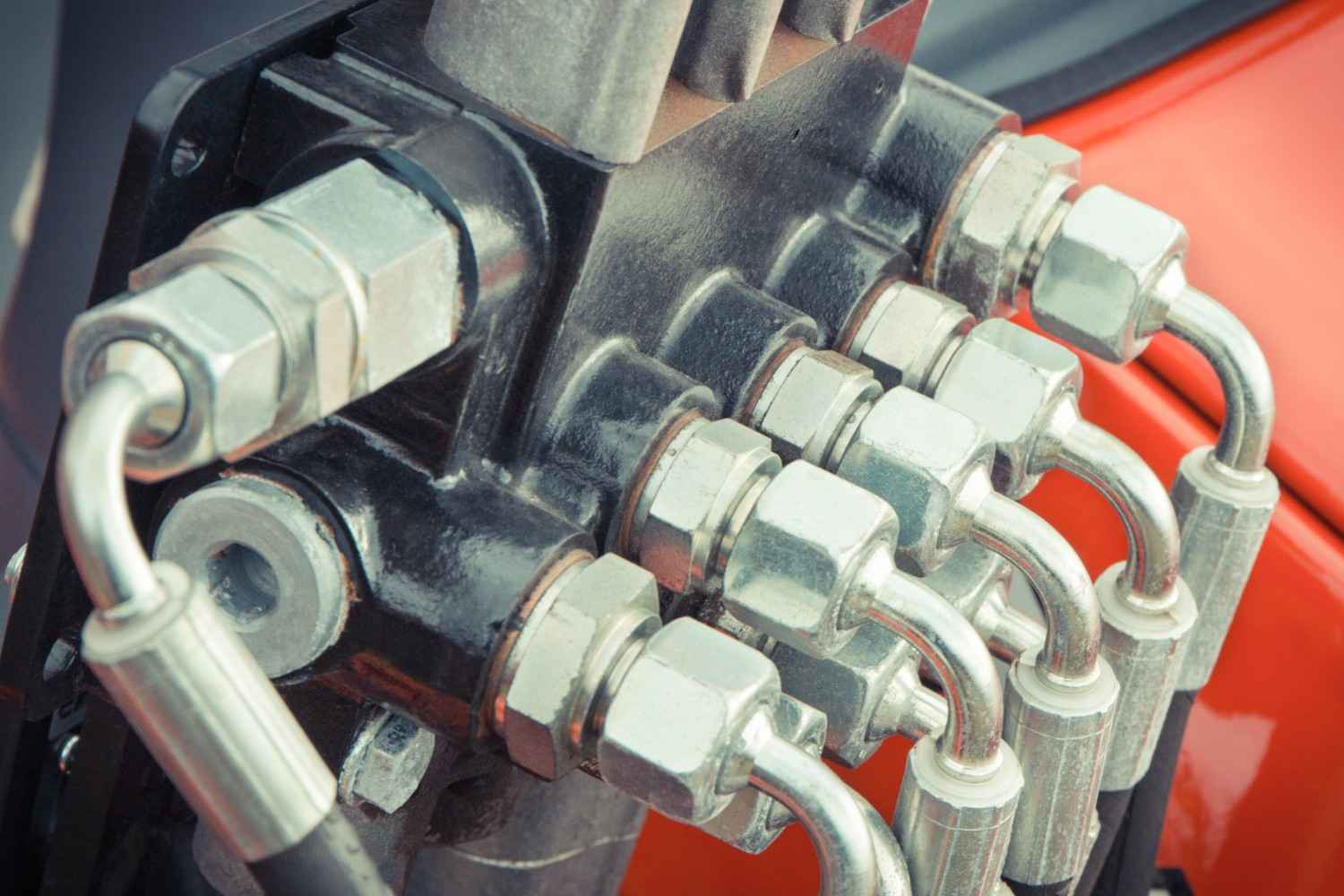
This concentration matters for OEM procurement teams because it signals where utilisation pressure is highest: hydraulic cylinders, industrial hose couplings, and hydraulic hose fittings are central to maintenance and new-build activity across the manufacturing, construction, and mobile plant sectors. A growing market brings its share of challenges as well as opportunities, and in engineering procurement, long-term growth usually means three things:
- Higher asset utilisation
- Increased demand for spare parts, and
- Potential lead time volatility
When equipment runs harder and longer, wear rates on hydraulic cylinders increase, seals cycle more frequently, and hose assemblies operate closer to their design limits. This is why some organisations are moving away from reactive purchasing strategies, and instead classifying hydraulic components by their downtime impact — ensuring critical cylinders are supported with planned seal kit stock and that high-volume hose fittings and couplings are standardised to reduce SKU complexity.
Pricing pressure is another feature of market growth cycles. The U.S.-based National Fluid Power Association (NFPA) – sister organisation to the BFPA here in the UK – reported that the Producer Price Index (PPI) for fluid power equipment rose 15% year-over-year in November 2025, reflecting strong inflationary and supply-side pressures within the industry. While this is American data, many hydraulic components are globally traded, meaning that similar cost trends can influence UK and European supply chains.
Procurement teams can respond by designing cost out of systems rather than negotiating unit price alone. For example, standardising hose fitting families, reducing one-off specifications, and clearly defining pressure, temperature, and corrosion requirements reduces the need for expensive substitutions later. Specification discipline, including adherence to recognised dimensional standards such as ISO 12151 (Hose fittings with ISO metric threads), further lowers the risk of mismatched threads and leakage failures: standardised couplings lower the risk of mismatch failures, and cylinders selected for the correct duty cycles reduce premature rebuild frequency. These are controllable variables, even in inflationary conditions.
However, demand signals can be uneven. NFPA shipment data from December 2025 showed overall fluid power shipments down 2.1% year-on-year, while hydraulic shipments were up 2.1% year-on-year; a reminder that hydraulics may remain strong even when other fluid power segments soften.
How Should Your Business Respond?
To navigate growth effectively, procurement teams must move from reactive purchasing to a more structured control strategy. This begins with visibility: identify high-consumption hydraulic hose fittings and apply clear min/max stock levels to prevent shortages during demand spikes. For repeat-use industrial hose couplings, blanket orders or scheduled call-offs can stabilise your supply levels and protect pricing.
Risk mitigation should follow close behind. Pre-approve technically equivalent alternatives so that maintenance teams are not forced into last-minute substitutions, and maintain tight technical specifications aligned with recognised dimensional standards to minimise compatibility errors and leakage risk.
What Next?
For our Hydrastar trade customers, the message is clear: growth increases opportunity but also your exposure to downtime risks. This is why a good trade supplier should do more than ship parts. They also have a strong role to play in reducing risk and simplifying your procurement channels.
With technical guidance to reduce compatibility issues, reliable availability on high-turnover components, rapid hose assembly support, and structured account management to simplify procurement, Hydrastar helps engineering and supply chain teams protect uptime, control cost, and avoid the disruption that comes from rushed substitutions or inconsistent supply.
If you’d like to find out more, please contact one of our specialists today by clicking here.
The hydraulic market is expanding, and that changes how you buy parts. From stock control on hydraulic hose fittings to securing your supply of industrial hose couplings and cylinders, structured procurement planning is now critical to uptime. Read more in our latest article.
Image Source: Envato