Fluid power systems in 2026 are operating under higher cumulative loads. As installed bases expand and equipment utilisation increases, the engineering challenge is shifting from specification to durability management. Recent market research projects fluid power equipment growth of approximately 6.42% compound annual growth rate (CAGR) up to 2035, indicating a decade of global system expansion. What does this mean for your maintenance planning strategy in 2026 in the coming years?

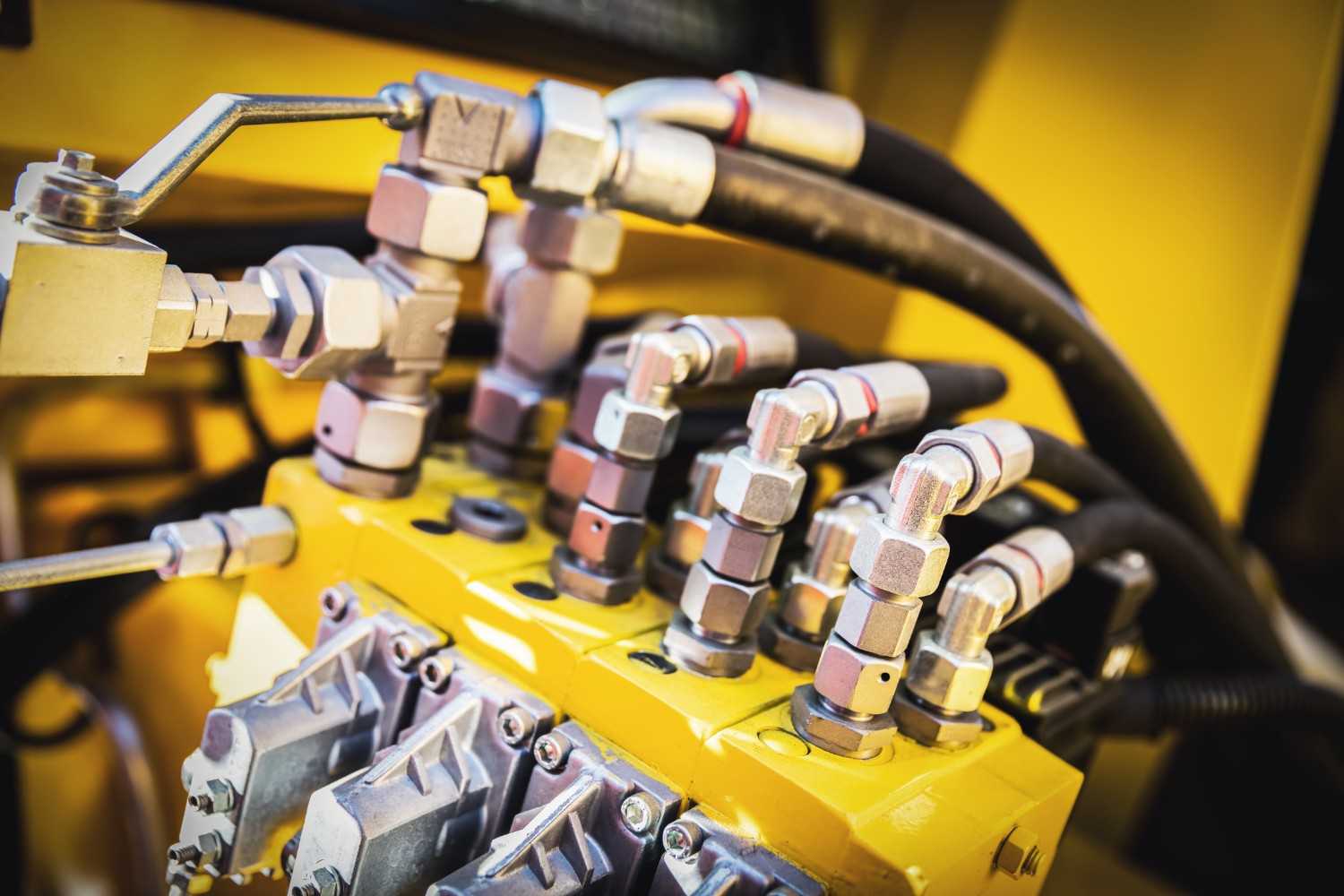
The main implication of the growth in fluid power is increasing aggregate load rates on installed systems. More operating hours mean more switching cycles through each hydraulic solenoid valve, more pressure pulses through every industrial hose assembly, and greater vibration exposure across pipe clamp support systems. In this environment, calendar-based servicing may fall short of your genuine maintenance needs. Maintenance planning in 2026 must account for duty cycle intensity, fatigue progression, and dynamic system behaviour, not just elapsed time – particularly around hydraulic solenoid valves, industrial hose, and pipe clamps.
Hydraulic Solenoid Valves: Control Points Under Load
One of the first lessons we learn in fluid power engineering is that hydraulic solenoid valves are not simple switching devices; they are critical control elements governing flow paths, actuation timing, and safety interlocks. As equipment utilisation rises, therefore, solenoid valve cycles increase proportionally, exposing coils, plungers, and seals to greater thermal and mechanical stress.
For maintenance teams, this growth translates into higher aggregate switching cycles per installed valve. Coil insulation degradation, armature sticking due to contamination, and seat wear become more probable failure modes under extended operating hours. Inspection routines in 2026 should therefore include:
- Coil resistance testing to detect thermal fatigue
- Monitoring response time deviations
- Contamination analysis in pilot circuits
- Verification of voltage stability under load
With predictable load cycles, most hydraulic solenoid valves were replaced at fixed intervals. However, under variable loads and increased utilisation, predictive maintenance and usage-based replacement is a more cost-effective strategy for businesses that want to avoid unnecessary downtime. To facilitate this, smart valve variants are now being developed that integrate sensing, electronics, and communication capabilities into the valve body or manifold — allowing them to provide diagnostic data, closed-loop control, and condition monitoring beyond basic on/off or proportional flow control functions. For example, integrated position feedback linked to a PLC control system can verify that a commanded movement equals actual movement. Deviations may indicate contamination, spool sticking, or mechanical wear, triggering a smarter replacement or maintenance cycle.
Industrial Hose: Fatigue Accumulation Under Elevated Duty Cycles
Industrial hose assemblies experience multi-axis stress: internal pressure cycling, axial tension, torsion, vibration, and external abrasion. As duty cycles increase, therefore, fatigue life – the number of stress cycles a component can withstand before failure occurs due to repeated loading – shortens non-linearly. However, the main engineering concern is stress intensity. Increased pressure pulses amplify:
- Wire braid fatigue
- Inner tube micro-cracking
- Heat-related elastomer degradation
- Coupling interface stress concentration
Maintenance planning must therefore focus on the actual stress exposure of each component, such as:
- Audit bend radius compliance under operating movement
- Inspect abrasion zones at support interfaces
- Monitor for outer cover hardening or blistering
- Measure pressure fluctuation amplitude where possible
Replacing your hose assemblies solely based on time-in-service is insufficient in high-utilisation environments. ‘Fatigue life’ is governed more by pressure amplitude, frequency, and temperature, rather than calendar age.
Pipe Clamps: Vibration Control And Load Distribution
Pipe clamps are effectively structural components within many hydraulic systems, controlling vibration amplitude and maintain alignment, and preventing the mechanical transfer of dynamic load to fittings and valve bodies. Increased machine intensity elevates vibration energy, particularly in mobile plant and high-speed automation, causing several potential defects:
- Hose chafing due to micro-movement
- Increased bending stress at coupling interfaces
- Thread loosening from vibration propagation
- Accelerated fatigue at hydraulic solenoid valve mounting points
In response, your maintenance and inspection regimen should include:
- Torque verification of clamp fasteners
- Inspection of elastomer insert condition
- Review of clamp spacing relative to line diameter and pressure class
- Assessment of dynamic loading in high-vibration zones
Where vibration amplitudes exceed the design assumptions, upgrading clamp configuration or adding intermediate supports may significantly extend your hose and fitting life.
Find Out More
Get in touch with Hydrastar today for technically supported hydraulic components, fast turnaround, and a trade-focused service that keeps your systems running reliably.
Fluid power systems are working harder in 2026. Higher cycle counts mean increased stress on hydraulic solenoid valves, industrial hose assemblies, and pipe clamp supports. Our latest article breaks down the engineering implications and how to plan your maintenance around fatigue, pressure cycling, and vibration.

Image Source: Envato