
In most hydraulic systems, the hydraulic gear pump usually gets the blame for any inefficiency! In many cases, however, the pump is often doing exactly what it was designed to do. The real energy losses (i.e. the ones quietly inflating your operating costs) typically occur downstream: in pressure drops, restrictive components, poor routing, and small leaks that go unnoticed for months. For maintenance engineers, this is good news. It means efficiency gains don’t always require new power units — just smarter component choices. Read on to find out more.

Undersized Hoses: Small Diameter, Big Losses
Hose sizing has a direct impact on pressure drop and energy efficiency. When your hoses are undersized, fluid velocity can increase significantly, and the higher velocity creates more friction between the fluid and the hose wall. That friction translates into pressure drop and heat generation, both of which represent wasted energy. The additional heat isn’t just a temperature issue, however; it also signals that the system is working harder than necessary. Every unit of pressure lost in a restrictive hose forces your pump to compensate by consuming more power. Selecting correctly sized hose assemblies reduces velocity, stabilises temperatures, and lowers frictional losses. In many systems, moving up just one hose size can meaningfully improve efficiency and extend oil life.
Restrictive Hose Couplings & Fittings
Even when the hose diameter is correct, restrictive hose couplings & fittings can often undermine system performance. Some quick couplings, adapters, and threaded connections reduce the internal flow area compared to the hose bore. Others introduce sharp internal transitions that disturb the flow and increase turbulence. Each of these small restrictions adds incremental pressure loss. When multiplied across multiple fittings and valves, the cumulative effect on your application becomes substantial. Specifying full-flow fittings and ensuring proper alignment between components helps maintain consistent internal diameter throughout the circuit. These seemingly minor upgrades can reduce system resistance and energy demand without changing the pump itself.
The Hidden Cost Of Poor Hose Routing
Hose routing is often treated as a layout convenience, but it also plays a measurable role in energy efficiency. Tight bends, unnecessary elbows, and excessive hose length increase flow resistance and create turbulence. Over time, this added friction not only wastes energy but also accelerates hose wear and contributes to localised heating. Optimised routing minimises directional changes and respects proper bend radius limits, allowing fluid to move more smoothly through your system. Cleaner routing also reduces friction losses and supports longer component life; a design improvement that pays dividends long after installation.
Leakage: The Silent Power Drain
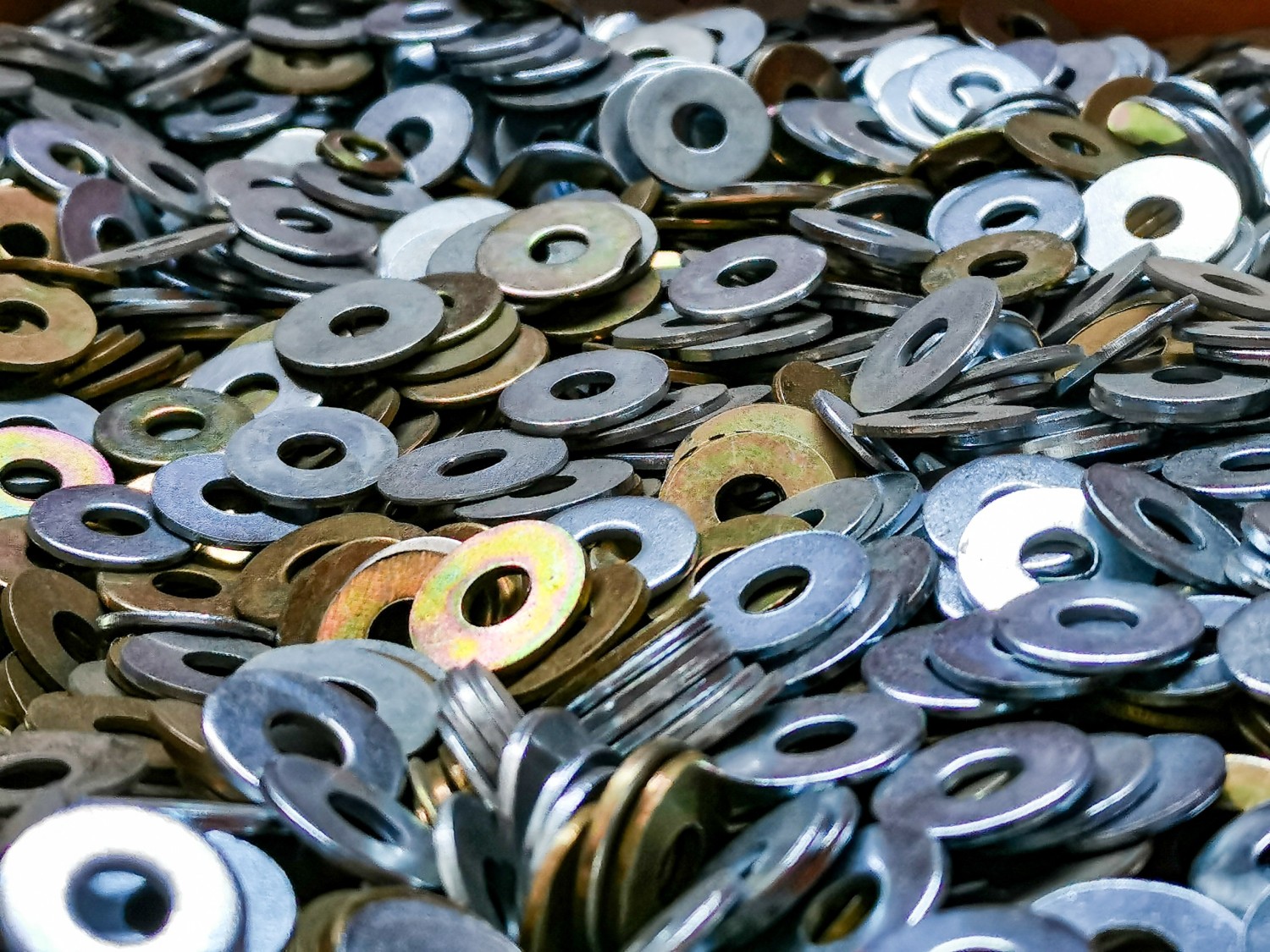
Leaks are one of the most overlooked sources of energy waste in fluid power systems. While external leaks are visible, internal leakage often goes undetected, especially if fluid loss is negligible. Worn seals, improperly torqued fittings, and degraded bonded washers allow fluid to bypass pressure zones, reducing volumetric efficiency. When this happens, the pump must move more fluid to achieve the same output, increasing overall energy consumption. Over time, even small leakage points can lead to higher operating costs, greater oil contamination, and more frequent maintenance cycles. Regular inspection of connection points and sealing components helps prevent efficiency losses before they escalate.
When Is The Best Time To Review Your System Layout?
Scheduled maintenance intervals give you the ideal opportunity to review your overall system layout. Rising oil temperatures, unexplained increases in energy consumption, or components that seem to wear prematurely often signal hidden pressure losses. Rather than simply replacing parts as and when they fail, evaluating hose diameter, fitting selection, routing efficiency, and sealing integrity can uncover long term structural improvements you might otherwise have missed.
What Next?
If you would like support optimising your system or would like to discuss how Hydrastar can help, please contact one of our engineers today by calling 01353 721704, or click here to send us a message.
Think your hydraulic inefficiency starts at the pump? Think again. Our new blog explains how smarter hose sizing, better fitting selection, proper routing, and reliable sealing (including bonded washers) can reduce heat, lower energy costs, and extend system life.
Image Source: Envato