
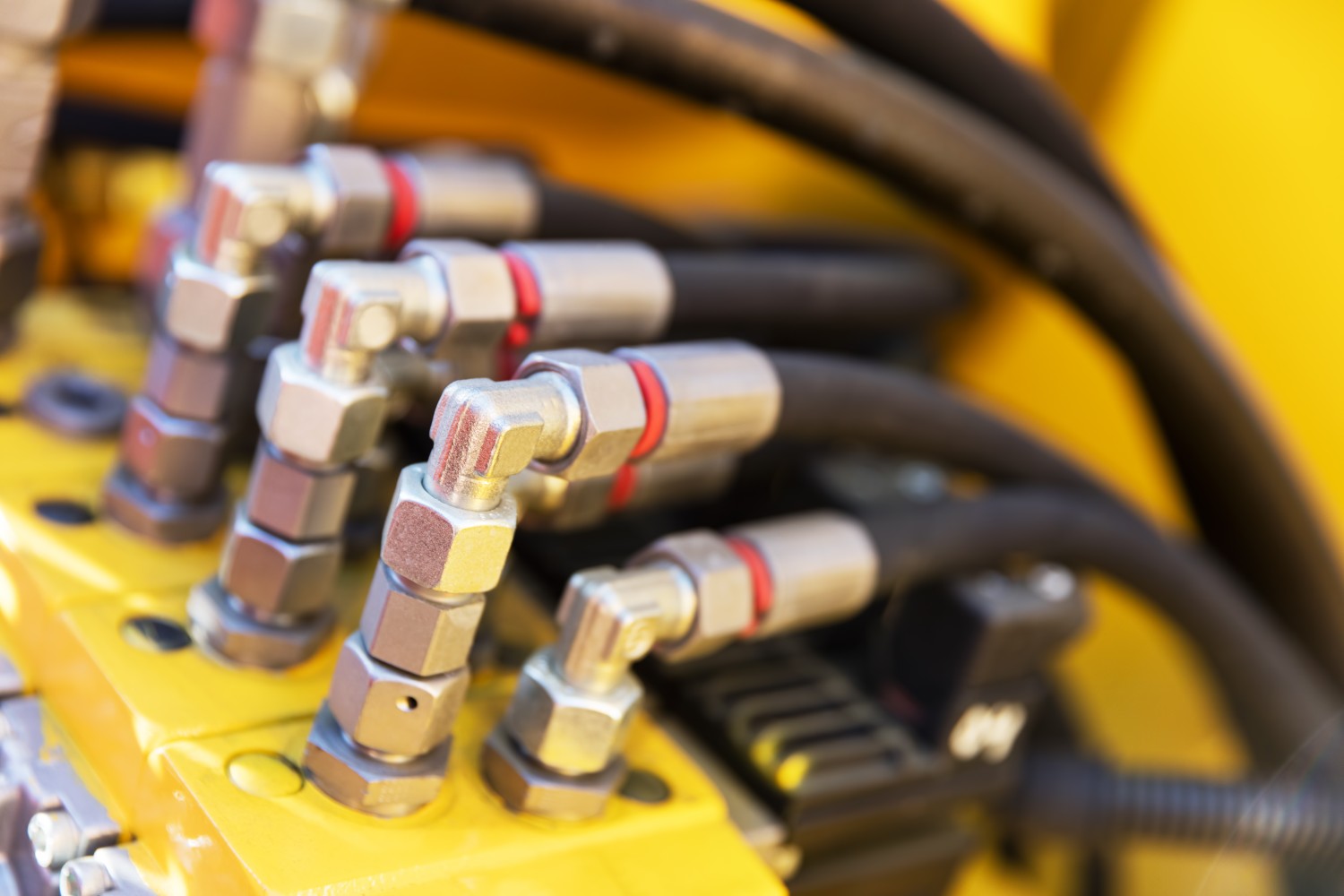
Unnecessary energy use, premature component failure, and unplanned downtime in hydraulic systems are usually symptoms of small but visible issues that go unchecked between scheduled services. This four-step efficiency checklist gives you a structured way to identify avoidable losses using basic inspection methods and tools, such as hydraulic pressure testing equipment, a hydraulic test kit, and an inline flow indicator. Work through each step methodically and document your findings:

Step One: Check For Visible Leaks And Weeping Fittings
Visible leaks are an obvious sign of lost efficiency, but minor weeping is often ignored. Damp hose ends, dust sticking to oily fittings, or a slight sheen around crimp collars indicate that the sealing surfaces may be degrading. Oil tracking along a hose length or collecting at manifold faces suggests vibration-related loosening or seal fatigue. Even small leaks matter, as fluid loss reduces system volume stability, increases contamination risk, and can introduce air into the return circuit. Over time, this air contributes to aeration and erratic actuator performance.
Practical Inspection Method
Start by cleaning suspect fittings thoroughly with a lint-free cloth. Operate the system under normal load for at least ten minutes, then reinspect. Fresh oil traces confirm an active leak rather than residue from previous servicing. Check that fittings are correctly torqued according to their specification; avoid overtightening, which can distort the sealing faces.
Next, inspect the hose routing carefully. Tight bend radii near fittings can significantly accelerate fatigue, so if the hoses show cracking at the ferrule or repeated movement at a single point, replacement is preferable to re-crimping. Record the installation dates where possible so that hose assemblies can be replaced proactively rather than reactively.
Step Two: Check For Excessive System Heat
Excess heat is often the clearest indicator of inefficiency. A reservoir that is difficult to touch after normal operation, darkened oil, or a burnt smell all suggest that energy is being lost internally. If cooling fans run continuously or actuators slow after warm-up, the system is likely compensating for excess thermal load.
How To Test Properly?
Using a hydraulic test kit, measure pressure at the pump outlet and compare it to the pressure actually required to move the load. Many systems operate with relief valves set significantly higher than necessary, converting excess pressure into heat. Check the pressure drop across filters, coolers, and suspect hose sections. An inline flow indicator can confirm whether flow remains stable under load or fluctuates due to restriction. Record reservoir temperature at start-up and after thirty minutes of steady operation. A rising trend over successive audits points to developing inefficiency rather than a one-off condition.
If the heat exchangers are fouled or return lines are undersized, oil temperature will continue climbing despite normal load demand. Cleaning the coolers and replacing internally restricted hoses often immediately lowers the internal temperature.
Step Three: Listen Out For Noisy Pumps (Cavitation Or Aeration)
A high-pitched whine, rattling, or knocking sound from the pump should never be dismissed as normal wear. These sounds commonly indicate cavitation or aeration. Although similar acoustically, their causes differ and require different corrective actions. Cavitation typically results from restricted inlet flow – e.g. a collapsed suction hose, blocked strainer, low oil levels, or excessively viscous cold oil can prevent adequate fluid supply to the pump. Aeration, by contrast, is caused by air entering the system through loose suction fittings or deteriorated seals. Foamy or milky oil in the reservoir is a clear visual indicator of this.
Diagnostic Approach
Inspect the suction lines first, looking for soft spots, flattening, or degraded reinforcement. Confirm reservoir levels and ensure breathers are clean and functional. Using pressure testing equipment, then verify the inlet conditions and check for abnormal vacuum levels. Measuring the pump case drain flow can also reveal internal wear that mimics cavitation symptoms. Correcting suction-side leaks or replacing a weakened hose is often sufficient to eliminate noise.
Step Four: Verify The Pressure Settings
Hydraulic systems are frequently set up with relief pressures well above their actual working requirements. While intended as a safety margin, excessive pressure increases energy consumption, accelerates seal wear, raises operating temperature, and shortens hose life.
How To Audit Pressure Settings?
Connect calibrated hydraulic pressure testing equipment at the pump outlet and measure peak working pressure during normal operation. Compare this figure to the relief valve setting. If the system consistently operates far below the relief threshold, energy is being wasted in the form of heat and mechanical stress.
Reduce relief pressure incrementally while monitoring actuator performance and cycle time. This small reduction can reduce thermal load without affecting productivity. After adjustment, recheck the oil temperature and listen for changes in pump behaviour. Stable performance at lower pressure confirms the system was previously over-set.
What Next?
In fluid power systems, losses typically accumulate through minor leaks, unnecessary pressure, restrictions, and ageing components. As specialists in hydraulic and pneumatic systems, we can help you implement a scheduled maintenance and replacement programme based on age and duty cycle, preventing these incremental losses from escalating into major operating costs. To find out more, please contact Hydrastar today by clicking here.
Is your hydraulic system running hotter, louder, or harder than it should? Small issues like weeping fittings, ageing hoses, excessive pressure settings, or unnoticed flow restrictions can quietly increase your operating costs and shorten component life. Our latest article breaks down a practical hydraulic efficiency audit checklist, covering what to inspect, what to measure, and how to identify hidden restrictions.
Image Source: Envato