
In practice, cavitation is more often recognised through its symptoms than caught at the moment it begins. However, the warning signs are easy to miss if inlet conditions are not being measured. By the time a pump is stripped and the internal surfaces show pitting or erosion, the system may have already spent time running with inadequate suction conditions, aeration, or excessive inlet restriction. For example, insufficient inlet pressure can cause cavitation if the suction pressure drops below 1.0 bar absolute, with ensuing damage to the internal pump components.

So, how do you identify the early stages of hydraulic cavitation in a fluid power system before it damages your application? Read on to find out.
1. Listen For Changes In Acoustic Signature And When They Happen
The acoustic signature is often the first clue: a harsh, crackling sound that changes with speed, oil temperature or demand. Any unusual noise is worth taking seriously, but it is not always enough to diagnose the cause. What is more useful is to tie the abnormal noise back to specific operating conditions. If the noise is strongest during a cold start or after a speed increase, that points towards a loss of inlet margin. If it disappears as the oil warms, viscosity and suction restriction are likelier culprits.
2. Measure Suction Conditions And System Pressure
A digital hydraulic tester is useful when your fault-finding plan includes the inlet side. Cavitation is sometimes missed because the only reading taken is on the pressure line, which says little about what the pump is being asked to pull through the suction circuit.
However, a more useful approach is to monitor suction vacuum close to the pump and compare it with oil temperature, pump speed and machine demand. If inlet vacuum rises sharply with demand, or improves once the oil warms, that gives a much clearer direction for the investigation.
3. Look For Restrictions In The Suction Line
A lot of cavitation faults come back to ordinary hardware issues rather than unusual pump defects. Common causes include blocked strainers, an undersized suction hose, long inlet runs, tight bends, poor tank outlet geometry, or return flow disturbing the oil near the pump pick-up. These can cause restrictions in the suction line that lead to cavitation, and these do not need to be dramatic to create a problem. A series of small losses can be enough, especially during cold start when viscosity is high. Try to keep the return flow away from the pump inlet to encourage de-aeration inside the tank.
4. Check Adapters And Connections For Air Leaks
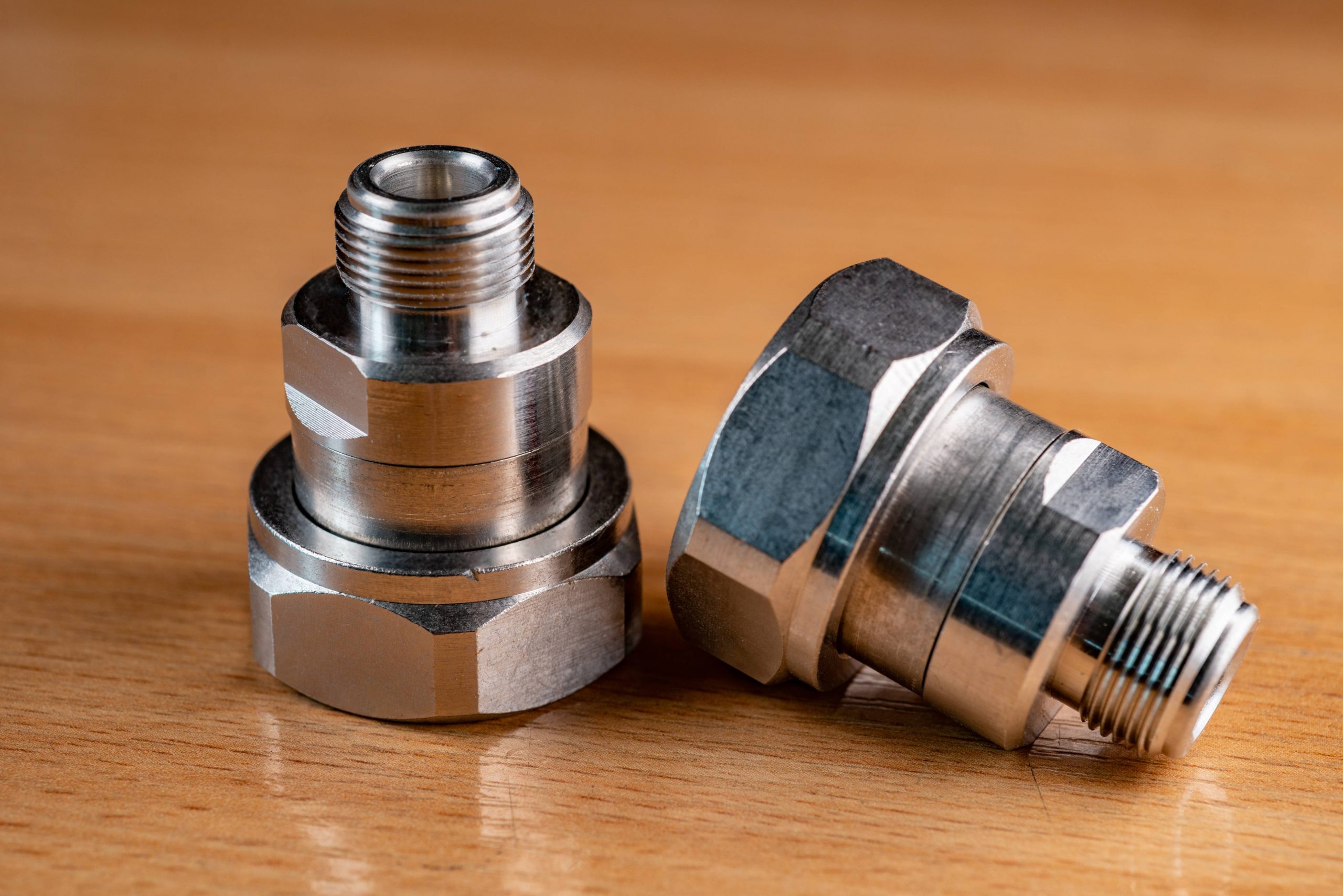
On the inlet side, hydraulic adapters and joints need checking for tightness and alignment. However, a connection can sometimes still admit air without showing an external oil leak, particularly where the line is under vacuum. This makes post-maintenance faults especially worth tracing connection by connection. Review every hydraulic adapter, hose tail, seal and threaded joint on the suction side if the symptoms appeared after intervention. Also check for trapped high points in the line where air can collect and disturb the oil supply.
5. Double Check For ‘Lookalike’ Issues
At this stage, it is important to rule out other faults that can produce similar symptoms. Rough pump noise, unstable flow, sluggish response and rising temperature do not point to cavitation alone. For instance, aeration, cold-oil drag, suction leaks, poor reservoir de-aeration and mechanical wear can all produce a similar pattern. The job here is to test whether the evidence still supports a cavitation diagnosis once those other causes have been worked through. If not, the fault may sit elsewhere. The distinction matters, because replacing the pump or adjusting pressure-side components will not solve a suction-side fault, and a suction-side inspection will not fix a wear problem that has already developed elsewhere in the system.
Find Out More
If downtime, efficiency or component performance are becoming a concern, now is the time to take action. Contact Hydrastar by clicking here, or call 01353 721704 to find out more about the hydraulic and pneumatic products that can support smoother, more reliable operations.
Hydraulic cavitation can cause serious damage long before it becomes obvious. In our new article on the Hydrastar blog, learn how to spot the warning signs early, and how tools like a digital hydraulic tester and the right hydraulic adapters can help protect your system.
Image Source: Envato