
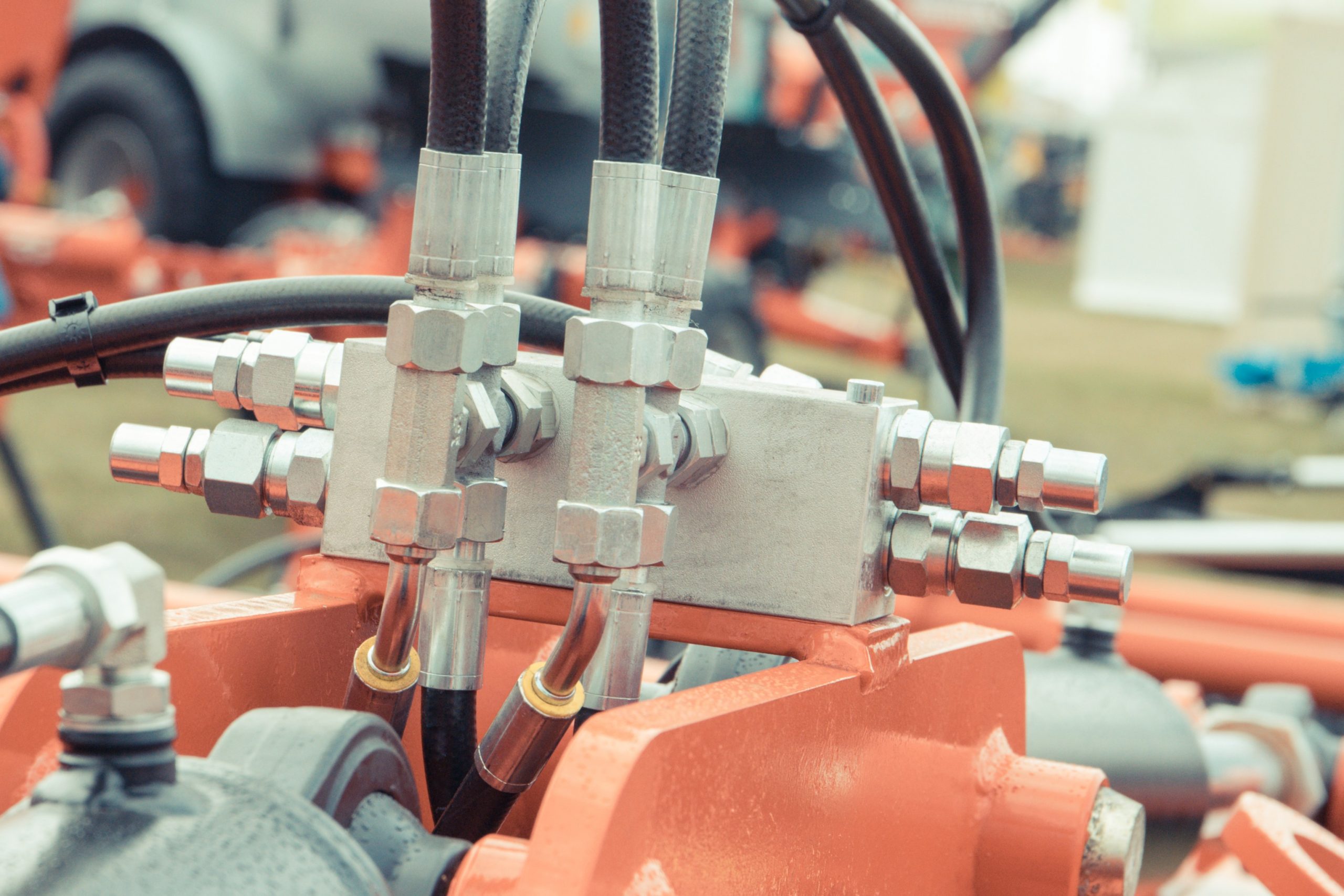
Open a typical site inventory storeroom and you can usually read the history of the equipment used. A handful of hydraulic adaptors kept for one older machine, a box of fittings ordered after an urgent repair, hose assemblies that reflect previous routing changes, spare valves, gauges or clamps that were added because they solved a problem once, but have not been reviewed since. And the list goes on.

This is natural because, in most industrial contexts, inventory evolves in response to need. You don’t preplan your emergency repairs in advance. However, it does make it useful to carry out an installed-base spares audit from time to time, checking your spares list against your current needs – not just your service history.
What Your Inventory Says About Your Site
A spares audit tells the story of your equipment’s repair and maintenance history, so there will inevitably be stock that is no longer needed, or for which more up-to-date or advanced alternatives could be available for swap outs in the future.
A useful spares audit should begin with the equipment your site still depends on. For instance:
- Which machines use Gates hydraulic hose assemblies?
- Which systems rely on hydraulic fittings, hydraulic adapters, DIN compression fittings, quick release couplings, ball valves, inline valves, pipe clamps, pressure gauges or hydraulic cylinders?
- Which stock items are commonly used across the site, and which are present solely because one critical asset still needs them?
Where Does Stock Variation Come From?
Variation in stock usually has an underlying reason. A component may come from legacy equipment, previous breakdowns, supplier changes, different pressure ratings, altered hose routing, fluid compatibility, space restrictions or connection styles used on older machines.
The audit should identify which variation still has a job to do here and now, and which can be replaced or phased out. If several brands of hydraulic fittings do the same work across similar applications, standardisation may reduce ordering errors and unnecessary duplication. On the other hand, if a non-standard or unusual adapter supports a critical installation, removing it may create more risk than it removes.
A good review should therefore ask why the part is there before deciding whether or not it stays. At the end of the day, however, a proper spares review needs to follow the system, not the component/product. A hose assembly may depend on a specific fitting style, adaptor, thread form, seal material, clamp arrangement or pressure rating; while a valve replacement may affect hose routing, gauge access or the fittings needed for future maintenance. Looking at each item separately can leave the site with stock that appears tidy on paper but still creates performance gaps during a breakdown.
Put Each Part Into A Clear, Role-Based Stock Category
So, during your audit, set aside the usual structural categories (e.g. ‘hydraulic cylinder’, XYABC-serial number) in place of more role-based categories specific to your site. The category should tell the next buyer what to do with the part; so that a common fitting can be reordered against an agreed standard, a critical hose assembly may need a minimum stock level and a named asset, and an obsolete or one-off item should be marked clearly so it is not bought again by habit.
That classification gives procurement and maintenance a shared decision route, and also prevents the same debate happening every time an unusual part appears on a stock report.
Stop Temporary Fixes Becoming Permanent Standards
While this is a good idea on paper, however, the issue many businesses face is that spares lists become untidy after urgent repairs. A close alternative is ordered because the preferred part is not available, or a different thread form is accepted because the machine needs to run. Those decisions may have been reasonable at the time. The problem comes when the temporary route becomes normal without anyone deciding that it should. An audit should therefore flag parts that entered the store through emergency sourcing, substitutions or one-off repair work. The question to ask about these parts is whether the site still wants to support that solution as a standard option.
Give Exceptions A Defined Reason
Sometimes the answer will be yes, at other times no. Standardisation is valuable when it removes unnecessary variation, but becomes risky when it removes the exceptions that protect awkward, older or high-consequence applications.
For fluid power spares, the useful distinction is deliberate exception versus accidental variation. A deliberate exception has a named reason: a machine, a pressure rating, a thread form, a seal requirement, an installation constraint or a compatibility issue. Accidental variation has no owner. It is simply there because nobody has challenged it.
The reviewed and streamlined stock list should make that difference visible. A common fitting can be linked to a preferred standard, a critical hose assembly can be tied to a named asset, a legacy hydraulic adapters can carry a note explaining why it is still needed, and a one-off item can be marked so it is not bought again by routine.
Find Out More
Hydrastar are a UK fluid power specialist, supplying hydraulic and pneumatic components to a wide range of customers in the industrial, agricultural, food processing, packaging, pharmaceutical, and chemical processing sectors. To find out more, please contact one of our technical sales team today by clicking here, or by calling 01353 721704.
Image Source: Envato