
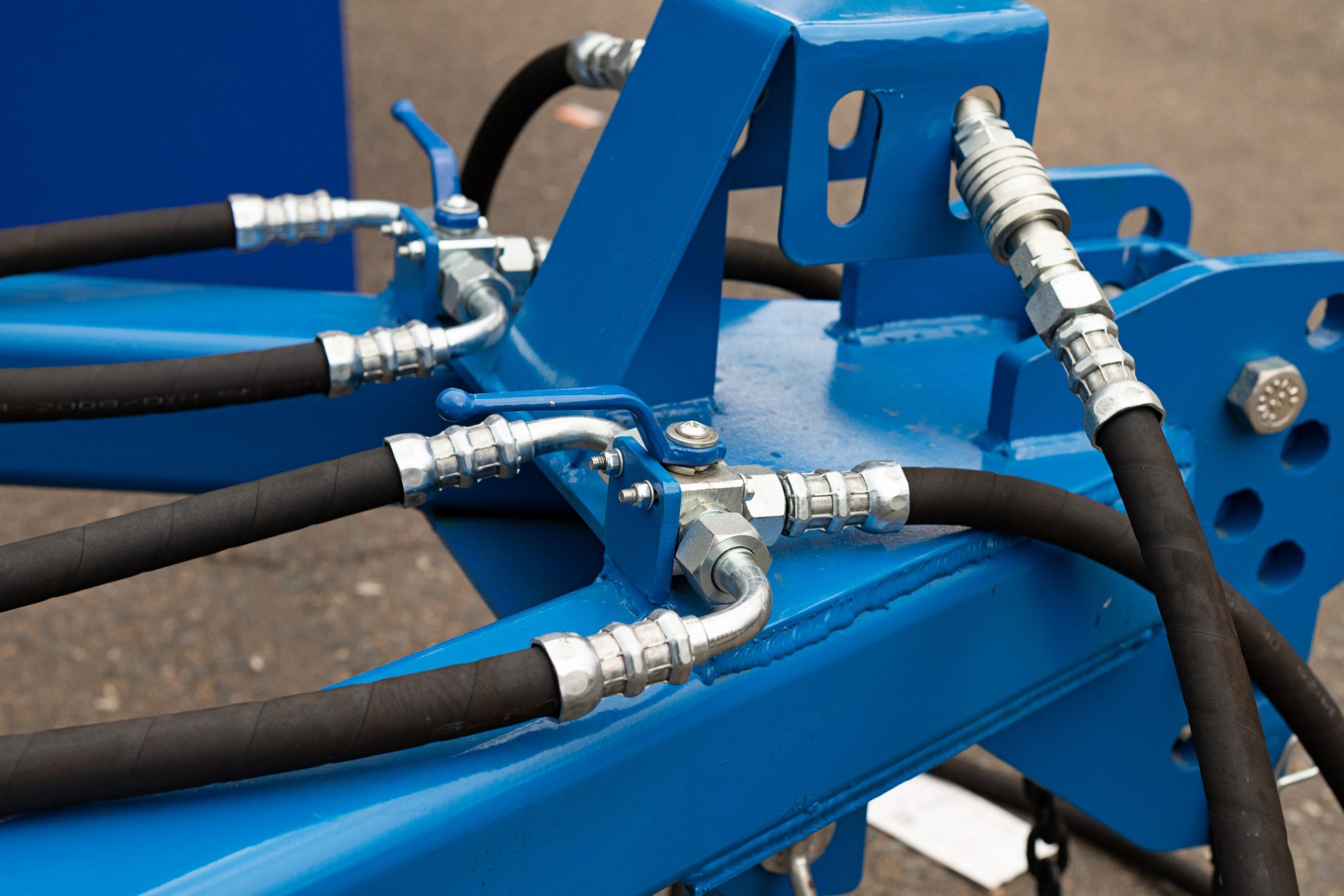
A hydraulic incident can be recorded across several systems before anyone sees the full technical picture. Maintenance may log the hose replacement, environmental records may capture the spill, procurement may issue the sleeve or fitting, and the pressure reading may sit on a service sheet.

Individually, all these entries may be correct in their own contexts. Together, however, they can show the full failure mechanism, including where oil escaped, what the circuit was doing, which component was exposed, and whether the event reflects damage, pressure, routing, sealing or contamination.
The British Fluid Power Association’s Health, Safety and Environmental Forum places a similar emphasis on the quality of shared accident and near-miss information across fluid power. For site teams, the same principle applies internally – your safety records are more useful when they preserve the technical conditions behind the event, and not just the immediate response. Read on as we explore what your site records can reveal about risk, reliability, and repeat failures in fluid power systems.
Recording The Hydraulic Mechanism Behind The Entry
“Hydraulic leak” is usually too broad a category to support a useful engineering review. A hose weeping at the crimp, oil escaping from a threaded connection, a pinhole through the hose cover, seal extrusion, a split tube and a hose pulled from an end fitting all point to different mechanisms.
The first record should therefore capture the failed component, location, connection type, visible damage, operating condition and immediate consequence. A useful entry might read: “pressure hydraulic hose to lift cylinder, cover abraded at frame edge, oil released during extension.” This gives maintenance engineers a concrete starting mechanism: abrasion during movement, at a known contact point, on a named circuit.
Add The Circuit State Before Interpreting The Failure
Fluid power incidents are generally shaped by pressure, load and trapped energy. A record that names the damaged part but omits the circuit state leaves too much room for the wrong conclusion.
This is why the safety entry should state whether the line was under pump pressure, residual pressure, static load or trapped pressure. It should also identify whether an actuator was supporting weight, whether an accumulator remained connected, whether a valve had isolated part of the circuit, and whether pressure was confirmed locally before intervention.
A hose damaged during normal articulation is a different event from a hose damaged during maintenance access. A fitting leak after restart is different from a leak found after hose movement, cleaning or component replacement. Without the system state, those distinctions disappear.
Making Spill Entries More Useful To Maintenance
Spill records often focus on containment, detailing the area affected, estimated quantity, absorbents used, disposal route and clean-up confirmation. These details are necessary, but they do not explain why oil escaped.
A stronger spill entry will identify the hydraulic source, such as the specific pressure line, spill control equipment used, return line, drain line, reservoir connection, cooler circuit, actuator seal, valve interface or adapter connection involved. It should also describe the release pattern – e.g. was the oil released gradually, under pressure, during movement, after shutdown or immediately after restart?
That granular level of detail helps separate clean-up responses from prevention and improvement work. It allows your engineers to see whether the issue sits with a repeated leak point, hose protection route, seal condition, fitting interface, pressure exposure or contamination-related component damage.
Define The Test Point Before Using The Pressure Reading
Pressure data is a useful guide during any incident review and safety record, but it only helps when the measurement location and circuit state are clear. A reading at the pump outlet, for instance, does not answer the same question as a reading downstream of a valve bank, across a filter, at an actuator line or after a quick connection.
Your safety records should therefore state where the pressure was taken, what function was operating, whether the circuit was under load, and whether the measurement was upstream or downstream of the suspected restriction or control valve. Without that context, a pressure reading can look reassuring while missing the condition affecting the failed component.
The Operational Unproductive Value Of Site Records
When recorded with the appropriate level of technical detail and perspective, and integrated into a unified system, site records can reveal whether a fluid power incident was isolated or part of a repeated technical pattern. Spill logs, hose replacements, pressure readings, inspection notes and maintenance records can show where the same operating condition of failure mode keeps appearing. Used together, they can help separate a failed component from the underlying pressure, movement, contamination, access or protection issues that may be driving repeat faults.
Find Out More
For support with fluid power components, hose assemblies, fittings, spill control equipment or hydraulic test equipment, please contact one of our specialists about the right products for your site requirements.
Image Source: Envato