
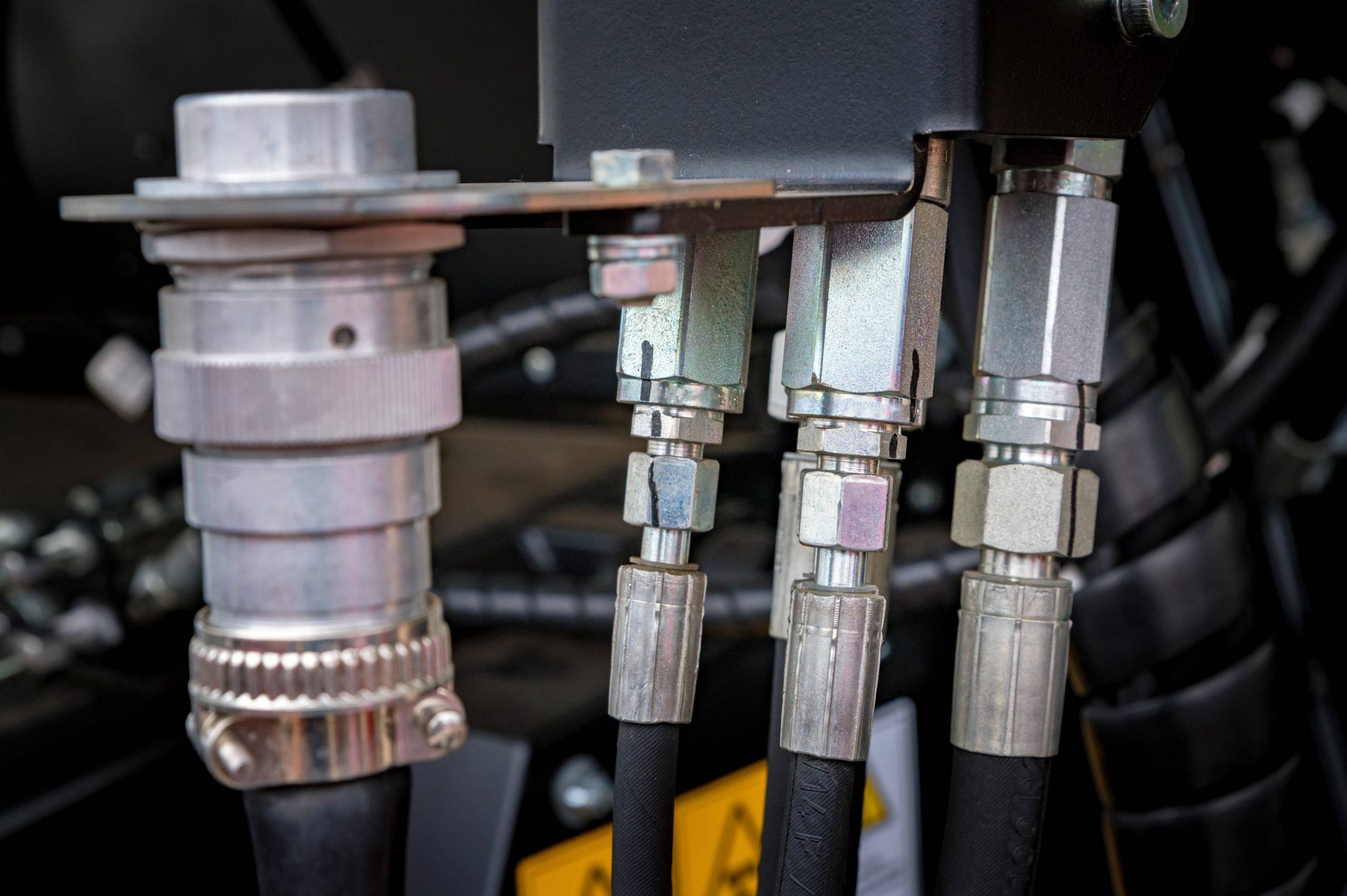
Poor contamination control is one of the fastest surefire ways to shorten the life of a fluid power system, and this makes filtration the first line of defence in many applications. Read on as we explore five things that every engineer should know about hydraulic filtration, and how the right choices can improve both design and performance.

1. Cleanliness Targets Only Matter If They Suit The Circuit
Filtration choices are rarely taken on their own. They sit alongside pump selection, valve sensitivity, actuator speed, reservoir design, expected contamination ingress, and maintenance practices, among other factors. For example, a low-complexity power unit running relatively tolerant components will not need the same cleanliness/filtration approach as a system using proportional control, tighter internal clearances, or more demanding duty cycles. In that sense, system hygiene and contamination control is less about maximising filtration capacity than about selecting the right level of control for the way the system actually runs.
This is where your engineering judgement and intuition becomes important. Set the target too low and component wear increases. Specify too aggressively without considering pressure drop, servicing access, or replacement intervals and the result may be harder maintenance or reduced efficiency in operation. Strong hydraulic system design balances component protection with practical use and operational realism.
2. The Filter Position Changes What The System Is Protected From
Where filtration sits in the circuit affects what it captures and which parts of the system benefit most, e.g. return line filtration is often used to remove contamination before fluid re-enters the reservoir, while pressure line filtration can give more direct protection to sensitive downstream components. But the housing, element, and flow paths all need to suit the operating conditions. For instance, offline filtration can sometimes be a better fit when tighter cleanliness control is needed over time, particularly in larger reservoirs or harsher environments.
This is also where filtration stops being a separate specification item and becomes part of the overall circuit layout. Flow path, transient pressure behaviour, and component placement all influence how contamination moves through the system, which is why filtration needs to be considered alongside other control elements, including inline valves, rather than treated as a standalone purchase.
3. Fluid Condition Matters As Much As Particle Capture
Not every contamination issue starts with dirt entering from outside the system. Engineers also deal with contamination generated within the circuit through oxidation, varnish, seal wear, fluid degradation, and the by-products of normal component wear.
That makes fluid selection part of the same reliability discussion as filtration. If the hydraulic oil degrades too quickly or is poorly matched to the operating environment, filters can only address part of the problem. Fluid condition still influences lubrication quality, heat transfer, deposit formation, and long-term component protection. Lubricant choice should, therefore, be assessed as part of whole-system performance analysis. Products such as Fuchs lubricants are relevant in this context not as a brand mention for its own sake, but because fluid performance and cleanliness control are closely linked under real operating conditions.
4. Better Contamination Control Usually Means Better Uptime
At first glance this might seem like an obvious point, but bear with us. When contamination control systems are wrong or misaligned to the application’s needs, the symptoms are not always immediate. More often, engineers see gradual performance losses: spool response becomes less stable, leakage increases, operating temperatures rise, or diagnosis becomes less straightforward.
Those issues are important because hydraulic reliability directly supports output. In the UK, advanced manufacturing directly supports around 760,000 jobs and contributes more than £82 billion in gross value added each year to the economy. In this context, cleaner and more stable hydraulic operation is not just a maintenance benefit, but also supports greater productivity, repeatability, and service-life planning. Good filtration will not solve every hydraulic problem, of course, but it does remove one of the most persistent causes of avoidable wear and unstable system behaviour.
5. The Strongest Filtration Decisions Are Made Early In The Design
Can filtration be improved after commissioning? Yes. But the strongest outcomes usually come when contamination control is built into the machine from the outset. Reservoir breathing, fill-point protection, return flow arrangement, service access, contamination monitoring, and component sensitivity influence whether the machine stays clean in real use, not just on the schematic. It also means recognising that filtration performance depends on how the full circuit behaves under load, during start-up, and across changing operating conditions.
Find Out More
At Hydrastar, we supply a wide range of trusted filtration products from leading fluid power vendors, backed by experienced technical support. Call one of our advisors on 01353 721704 today to find out more about the best-fit solution for your machinery, maintenance needs or system design.
Want to keep your hydraulic systems running cleaner for longer? Filtration is where it starts. Explore 5 things every engineer should know about hydraulic filtration in our latest blog, from fluid care to the role components like inline valves play in overall system performance.
Image Source: Envato