Search Results for: fluid power systems
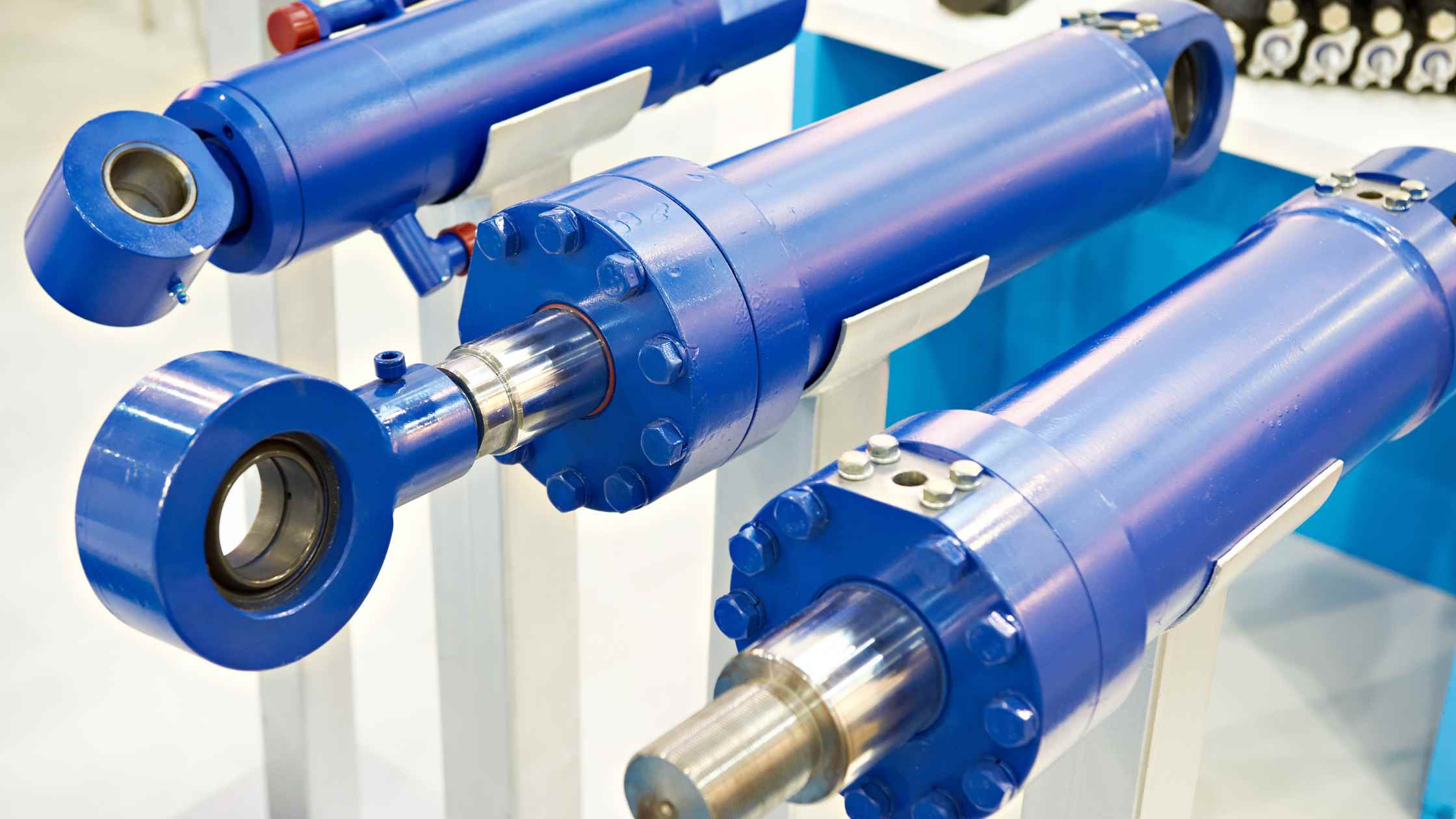
5 Common Challenges in Hydraulic Design and How to Overcome Them
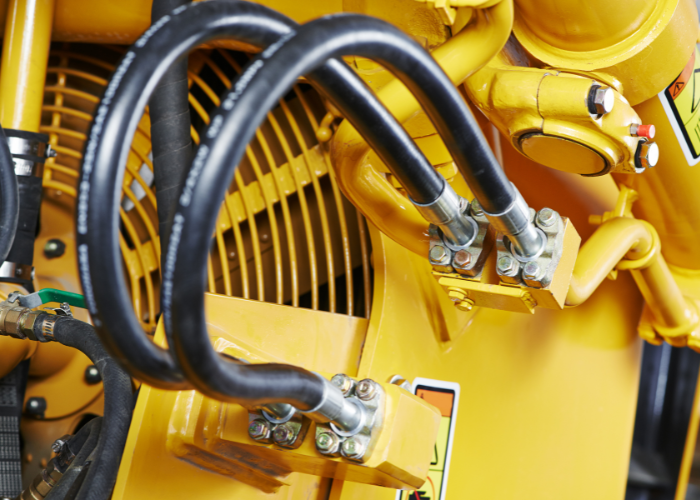
Hydraulic applications face a variety of frustrating, but usually predictable challenges. Fluid contamination, system leaks, overheating, component fatigue, and design mistakes are problems as old as hydraulic engineering itself, and can be extremely damaging when they occur. The phrase ‘prevention is better than cure’ is one of the mantras that fluid power engineers live by, […]
What Are The Key Considerations When Designing A Pneumatic System?
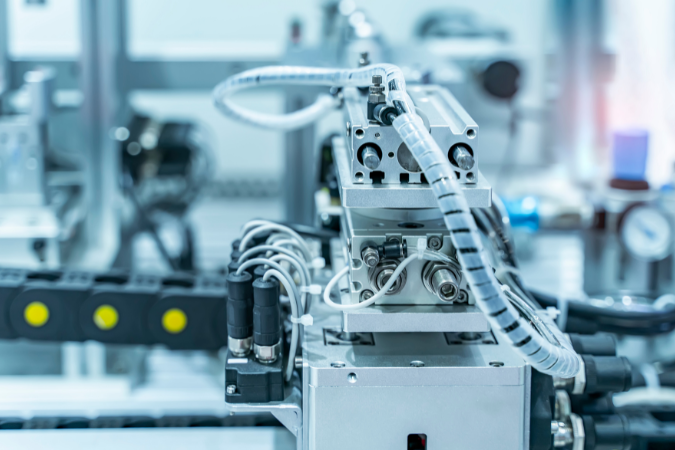
Recent innovations in the fluid power sector have led to significant improvements in pneumatic system design, efficiency, and safety, with technological features such as smart pneumatics and variable speed drive compressors changing the design landscape for many industrial applications. So, what are the key considerations to bear in mind now when designing a pneumatic system?
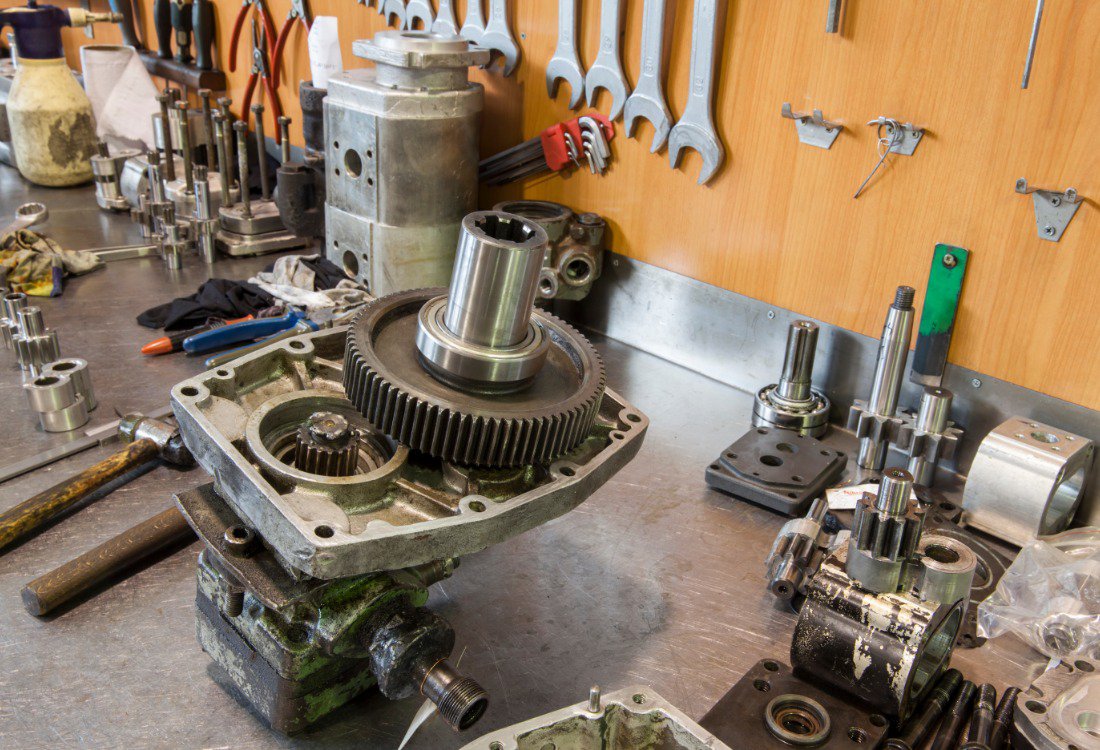
What Could Go Wrong With A Direction Control Valve Solenoid?
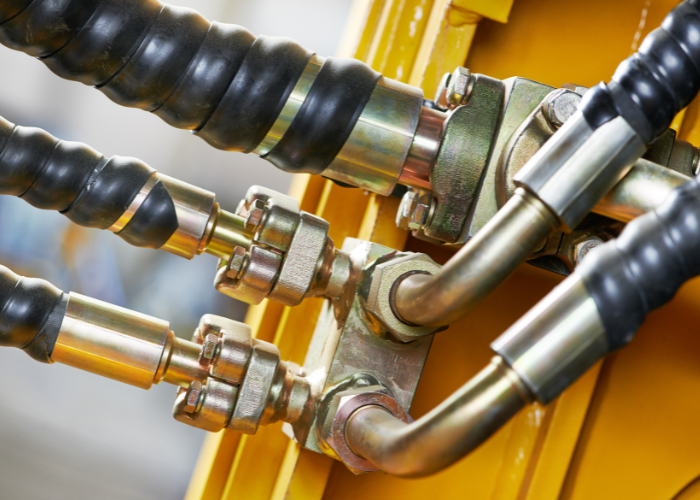
Direction control valve solenoids are an important part of many automated hydraulic systems, allowing the controlled movement of fluid and other materials in a variety of directions. Like any mechanical component, however, they are prone to failure over time. In this article, we address the age-old question: what could go wrong with a direction control […]
Pneumatic Troubleshooting: How To Flow Test An Air Compressor
Performing a flow test on your air compressor can help you troubleshoot issues in your pneumatic system quickly and accurately, so they can be resolved swiftly without causing disruption or downtime. A flow test is a fast and easy way to identify any problems that may be present in your air compressor, including leaks and […]
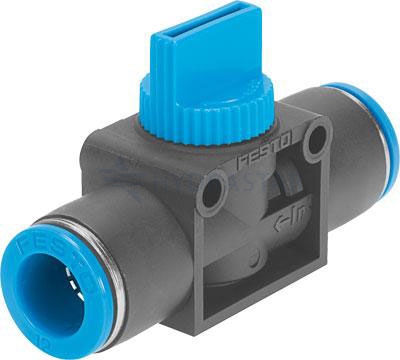
3 Festo Pneumatic Valves To Consider
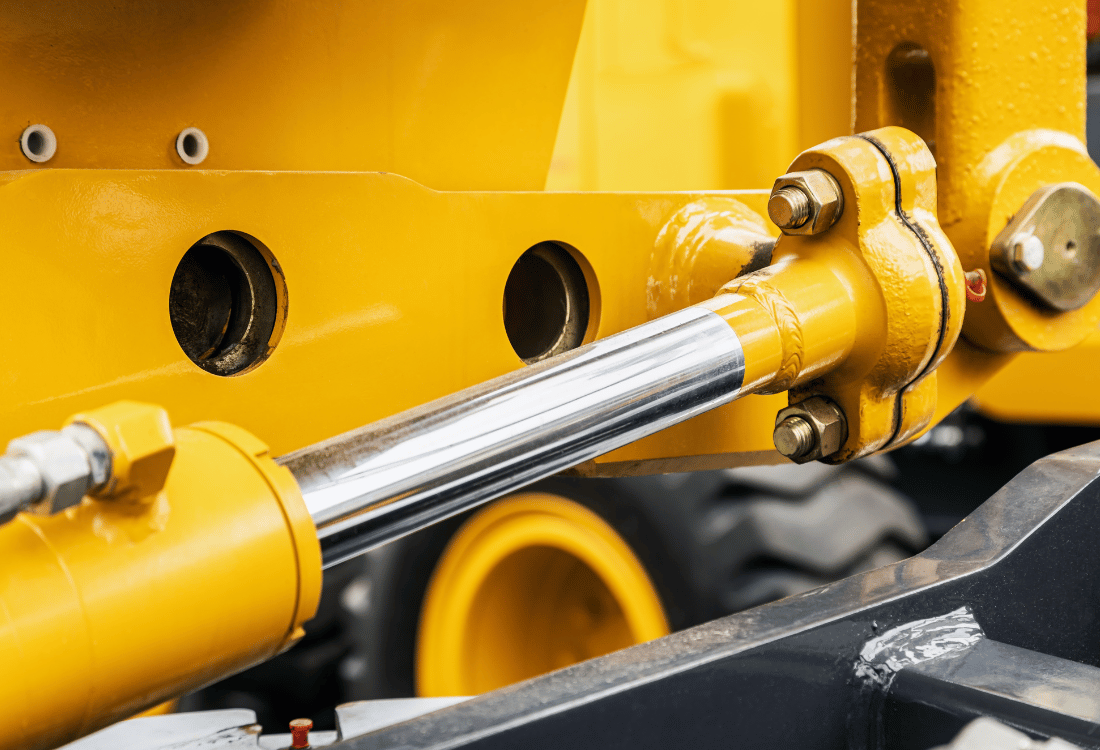
Hydraulic Engineering: Trends You Need to Know
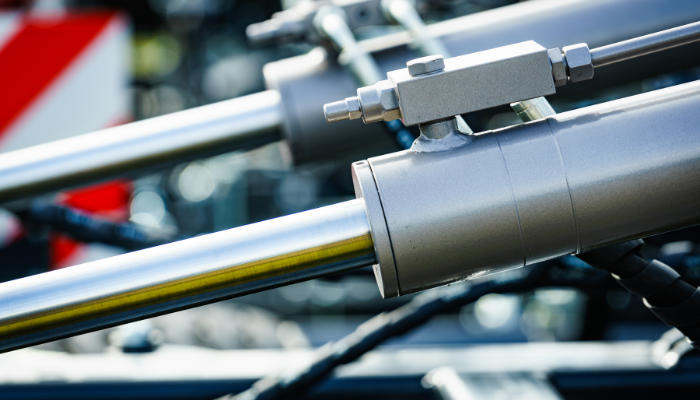
Fluid power is something of an ‘evergreen’ industry, with many core technologies and processes having been used successfully for many decades or even centuries. Nevertheless, the last couple of decades have seen significant developments in hydraulic engineering, with innovations marching in step with the increased demand among customers for greater efficiency and a lower carbon footprint, among other factors.