
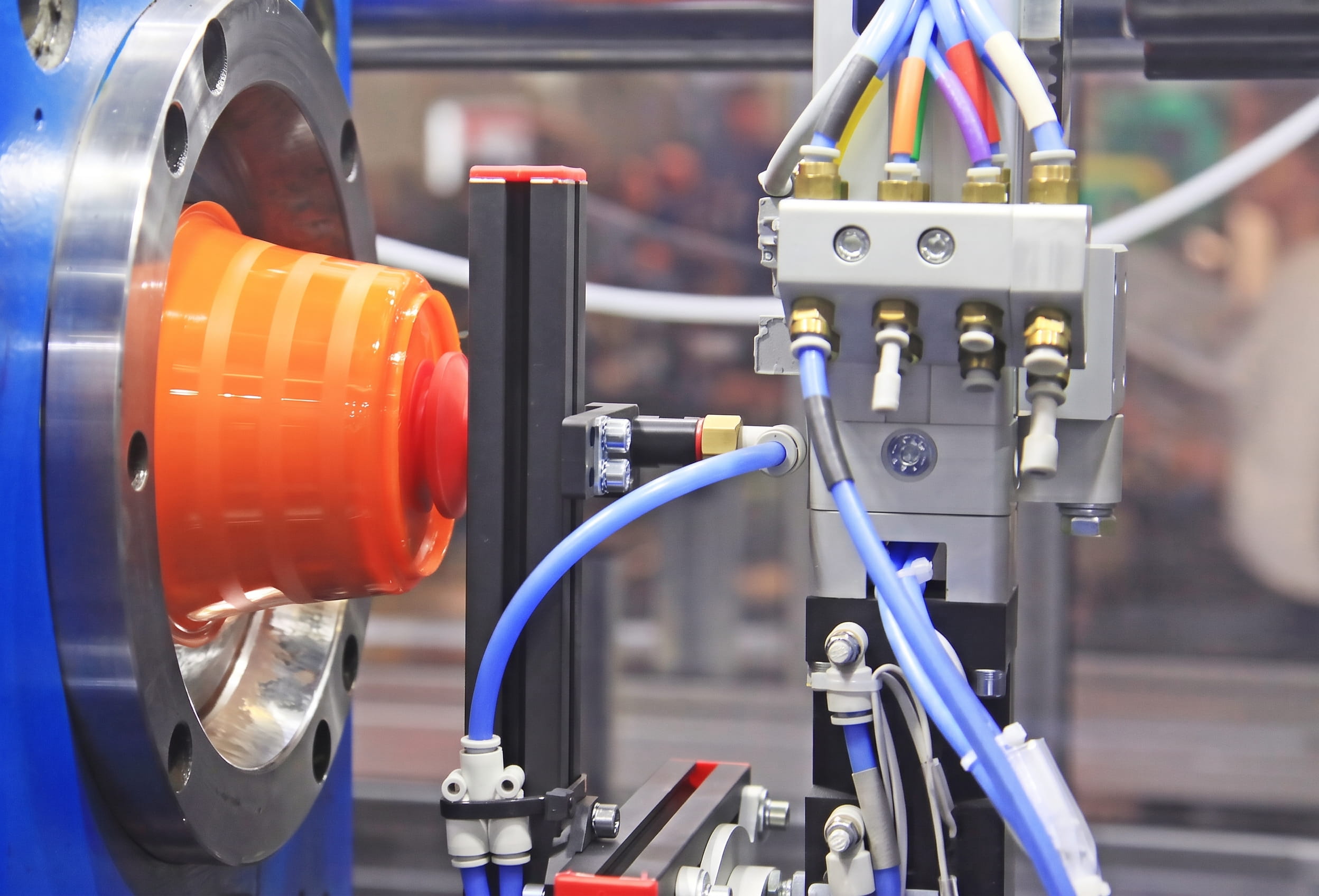
When you specify a pneumatic pusher for a high-cycle packaging line, the cylinder bore influences four connected requirements: 1) force at the load, 2) stroke time, 3) compressed-air demand and 4) end-of-stroke...
Specifying an Atos Ex-Proof Hydraulic Valve: 6 Pass/Fail Requisition Checks
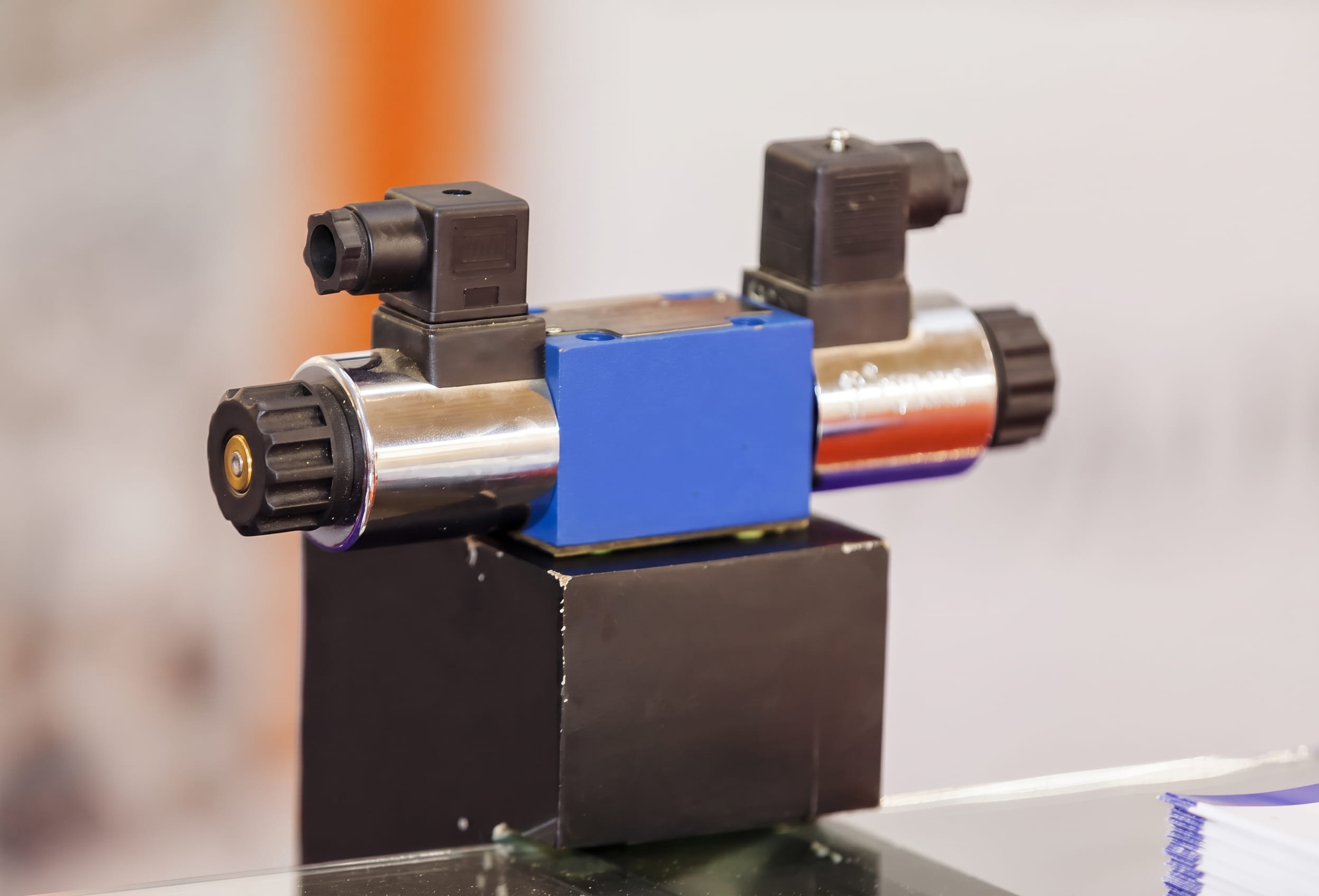
A requisition reading “NG6 directional valve, 24 V DC, ATEX” leaves several parts of the application unresolved. On a solvent-handling skid or in a combustible-dust area, for example, the valve has to...
Reconstructing an Intermittent Hydraulic Pressure Spike with the Webtec HPM7000
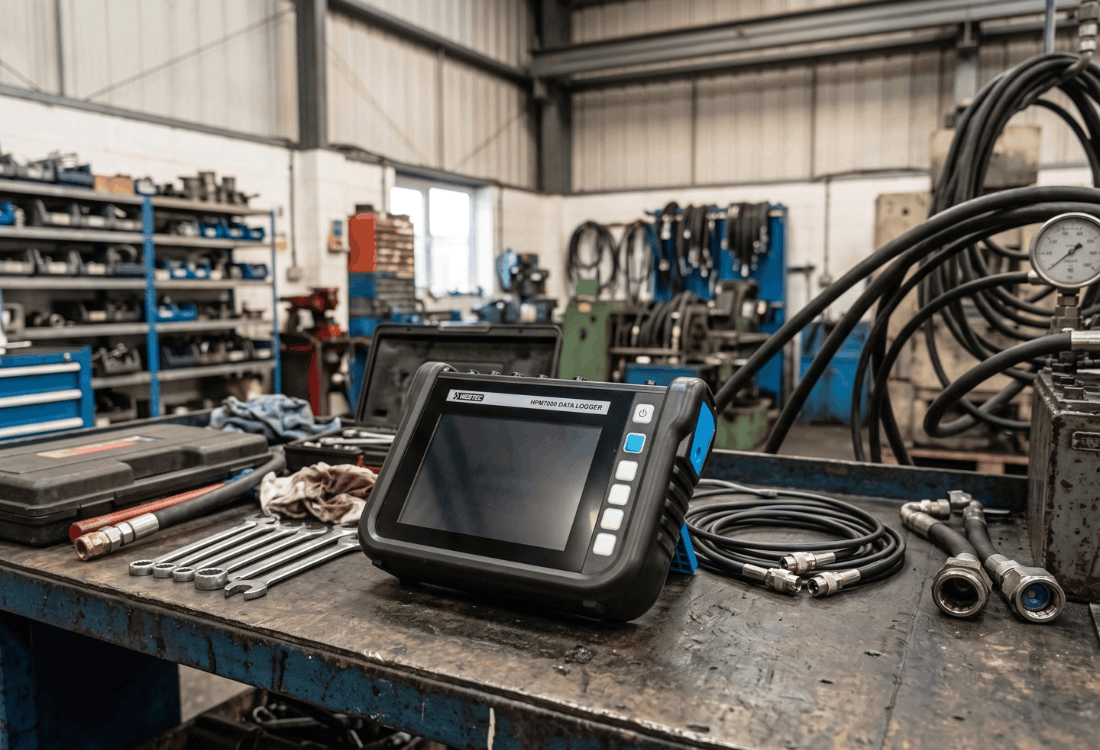
An overpressure event at the end of a hydraulic press return stroke may last only a few milliseconds. By the time the machine has tripped, pressure has decayed and the next cycle...
6 Checks To Perform Before Replacing Your Hydraulic Pump
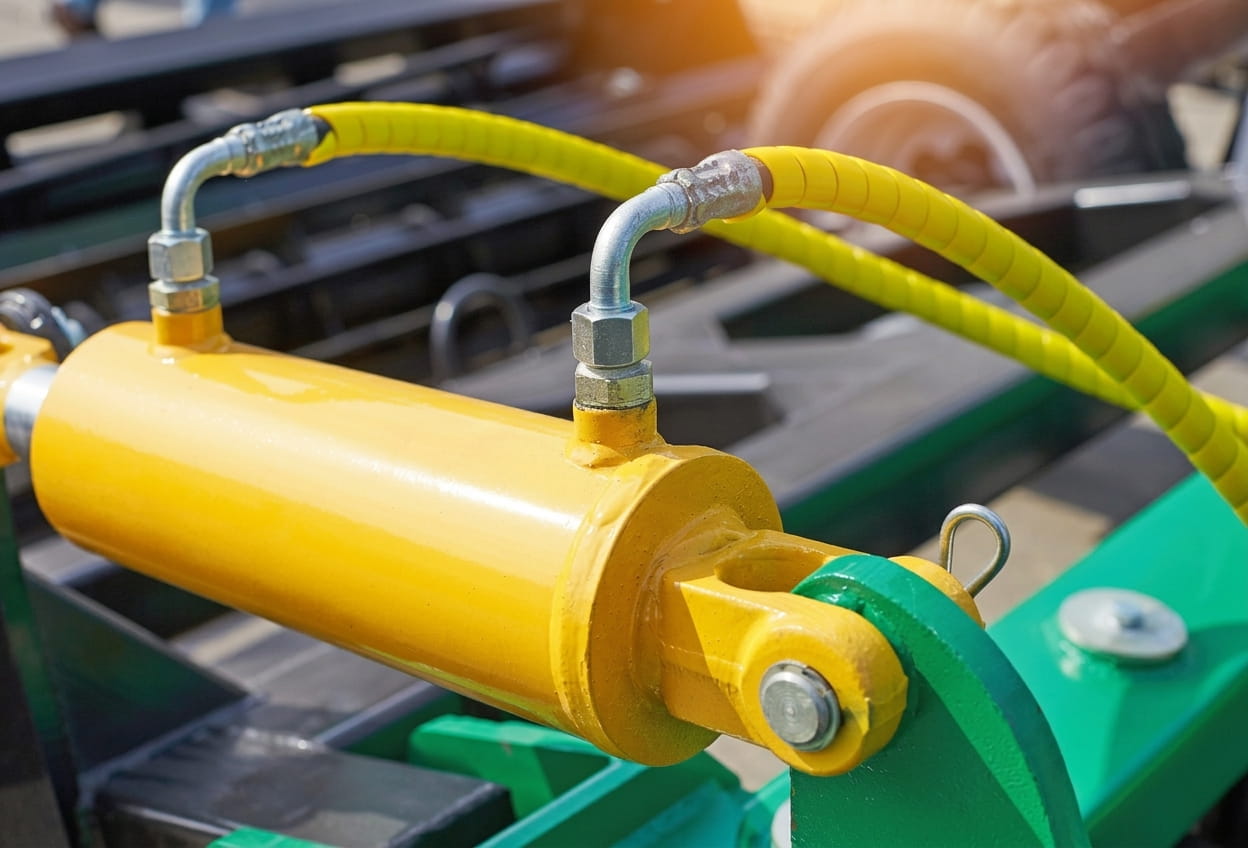
When one of your hydraulic machines loses actuator speed as the oil warms, you need enough evidence to decide whether or not removing the hydraulic gear pump is justified. However, a gauge...
Where Do Isolation and Flow-Control Valves Belong in a Serviceable Hydraulic Circuit?
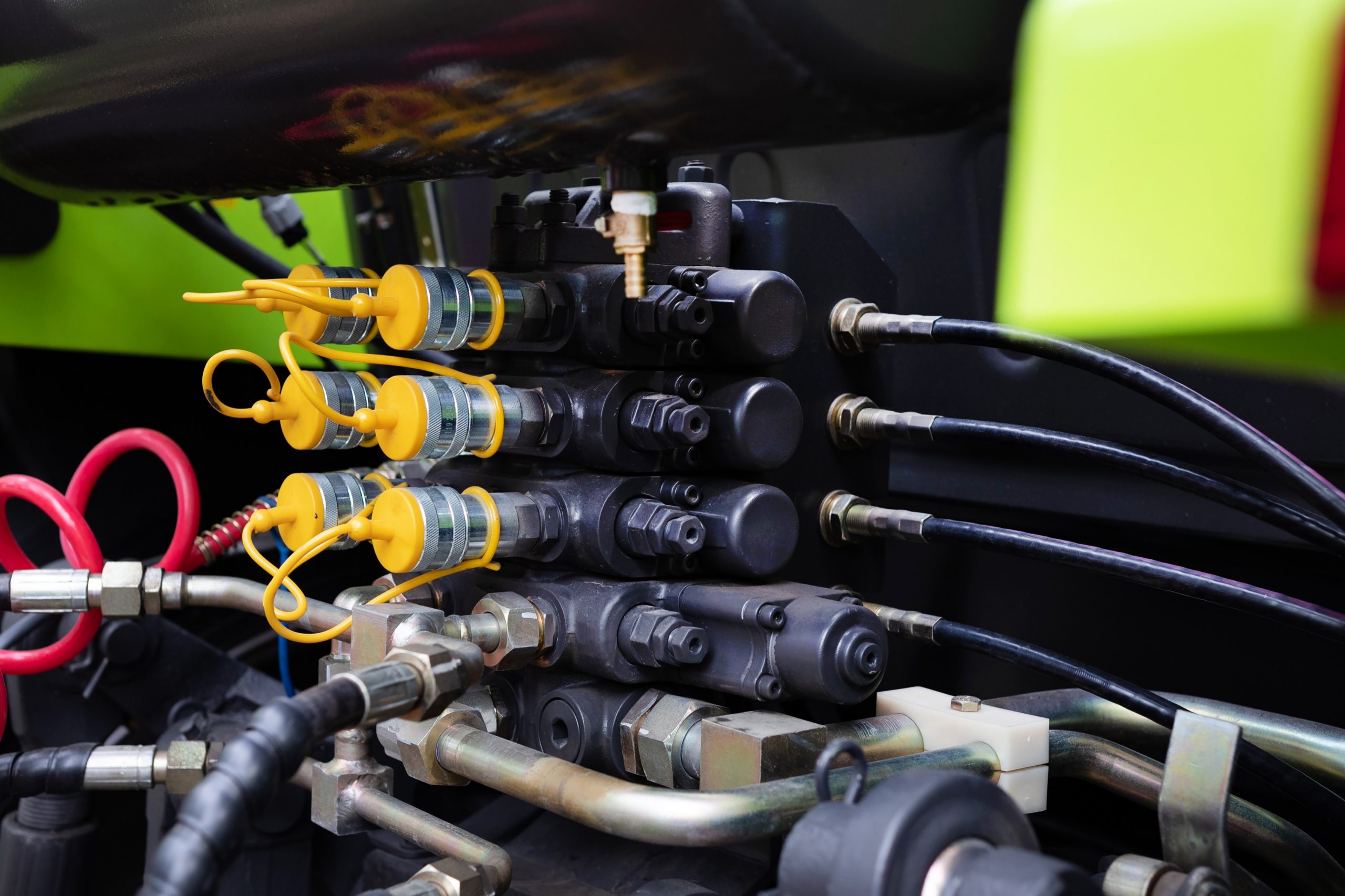
A hydraulic valve is often specified by thread, pressure rating and nominal bore; and while these details matter, they don’t automatically answer the harder circuit question: what should the valve allow your...
The Installed-Base Spares Audit: How to Reduce Fluid Power Complexity Without Overspecifying Stock
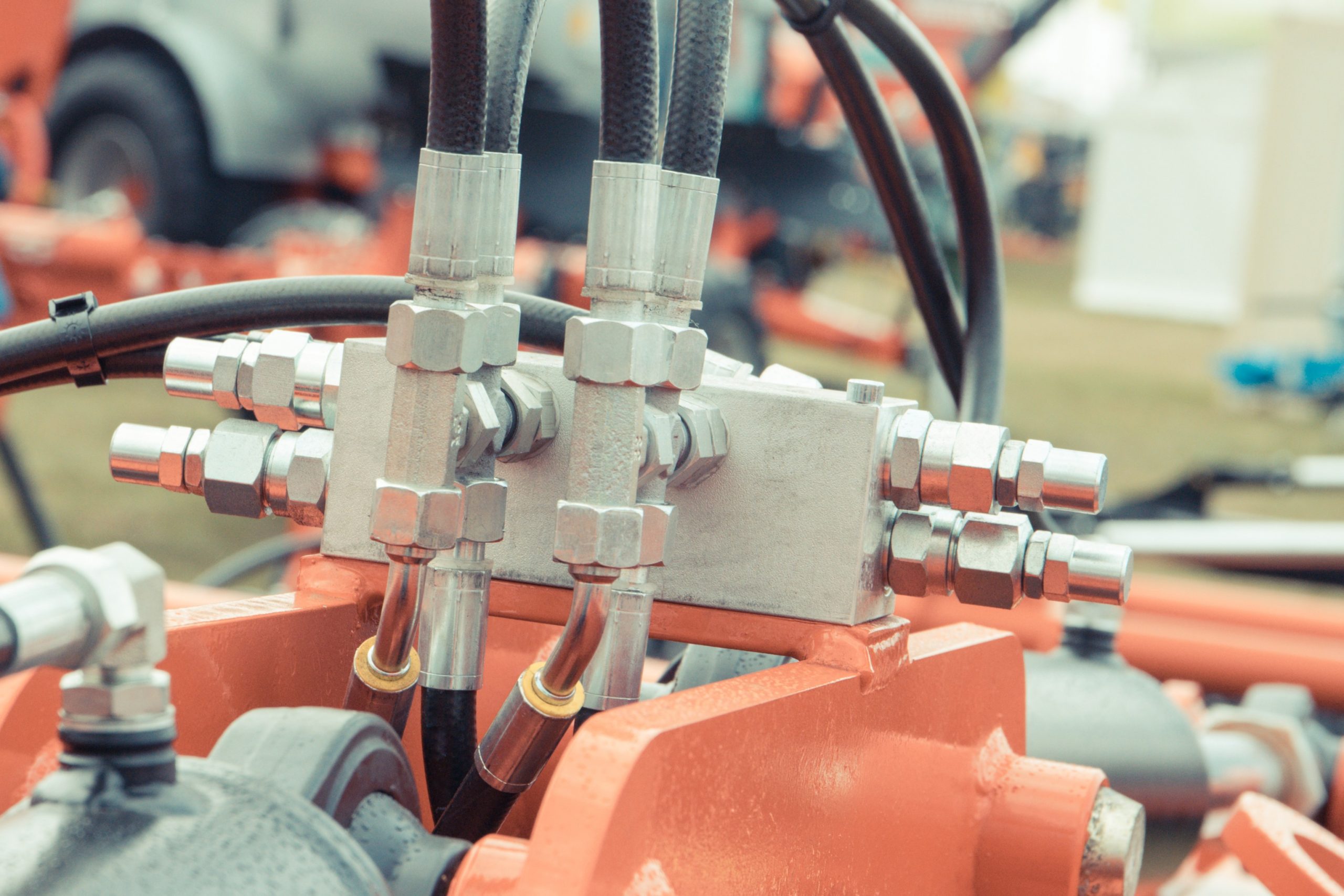
Open a typical site inventory storeroom and you can usually read the history of the equipment used. A handful of hydraulic adaptors kept for one older machine, a box of fittings ordered...
5 Things Every Engineer Should Know About Hydraulic Filtration
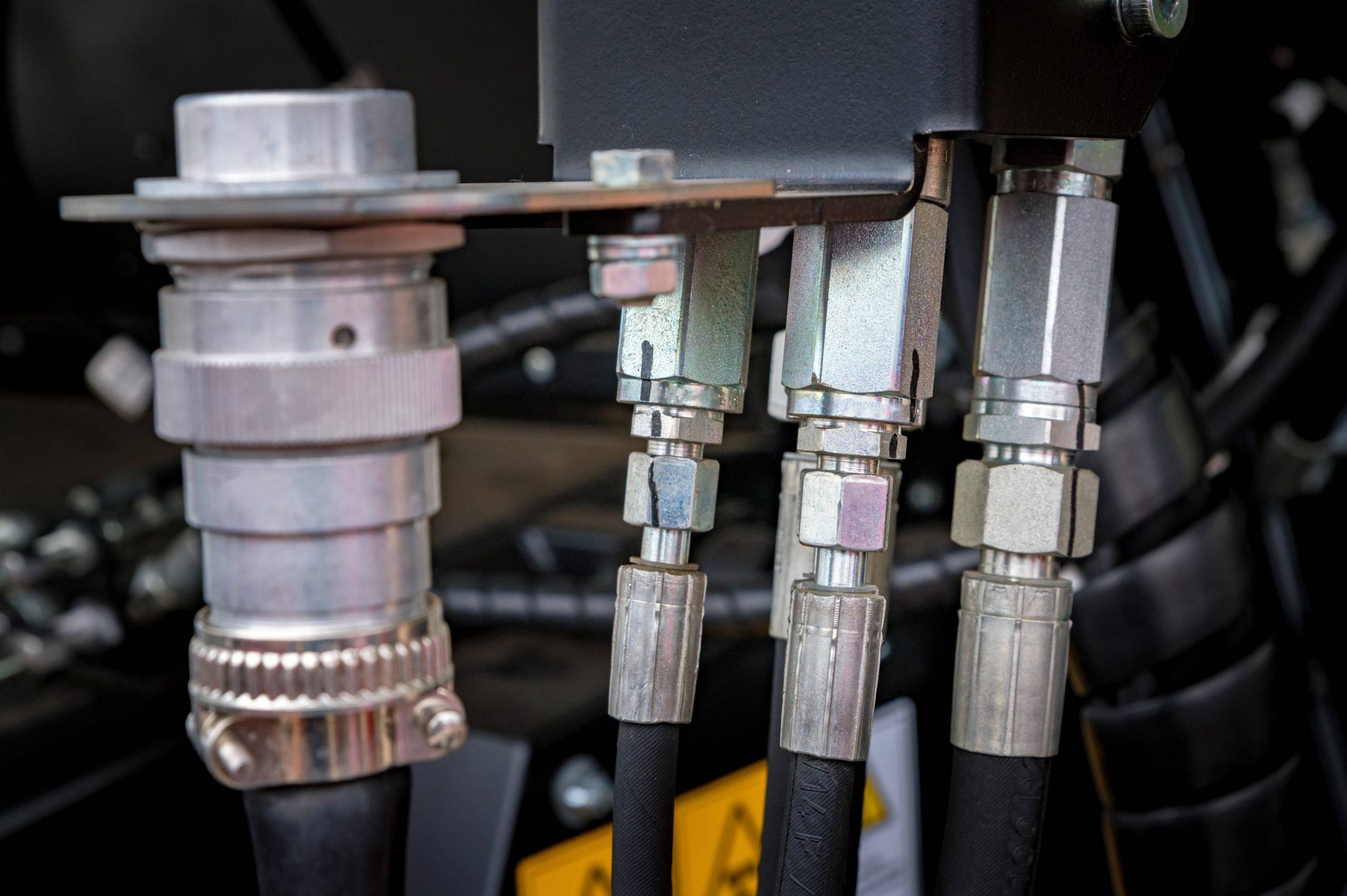
Poor contamination control is one of the fastest surefire ways to shorten the life of a fluid power system, and this makes filtration the first line of defence in many applications. Read...
Fluid Power Safety Records: What Your Site Records Can Reveal About Risk, Reliability and Repeat Failures
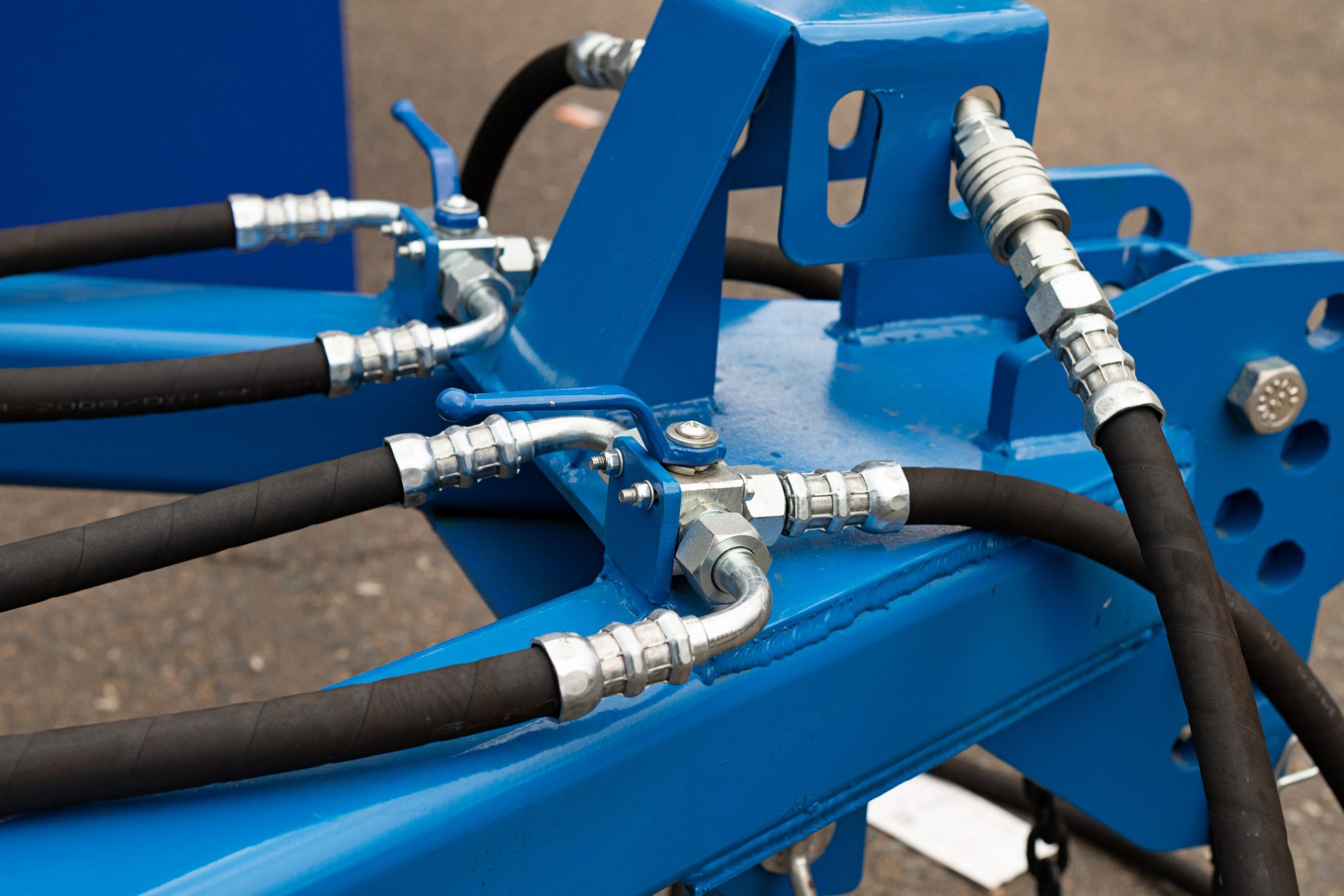
A hydraulic incident can be recorded across several systems before anyone sees the full technical picture. Maintenance may log the hose replacement, environmental records may capture the spill, procurement may issue the...
Before You Replace Like-for-Like: The Retrofit Checks That Protect Hydraulic System Performance
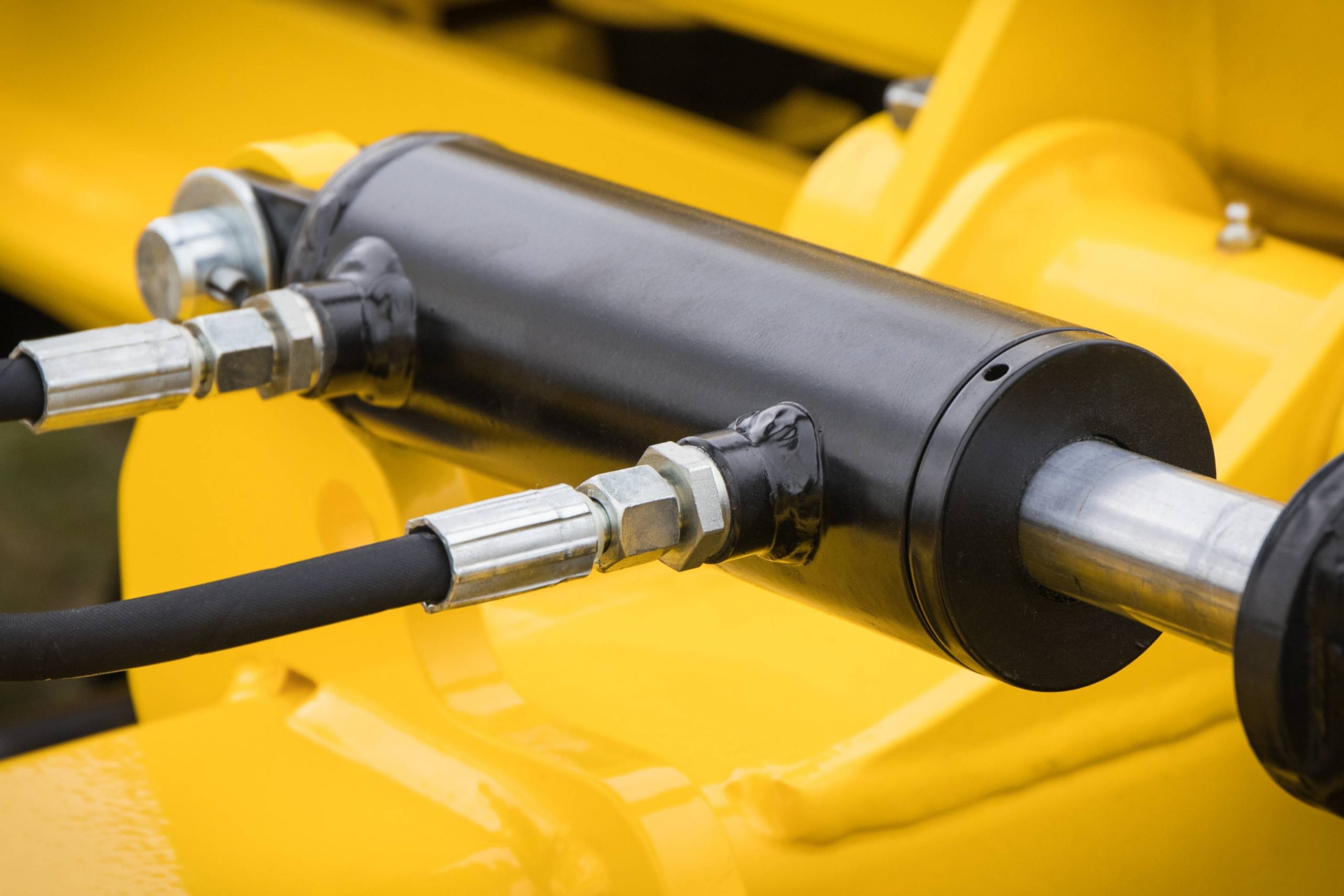
A hydraulic replacement can look straightforward until the component in question is held against the machine. Then the real questions appear, such as ‘will the ports face the right way’, ‘will the...
4 Reasons Hydraulic Quick Release Couplings Leak, Stick Or Refuse To Connect
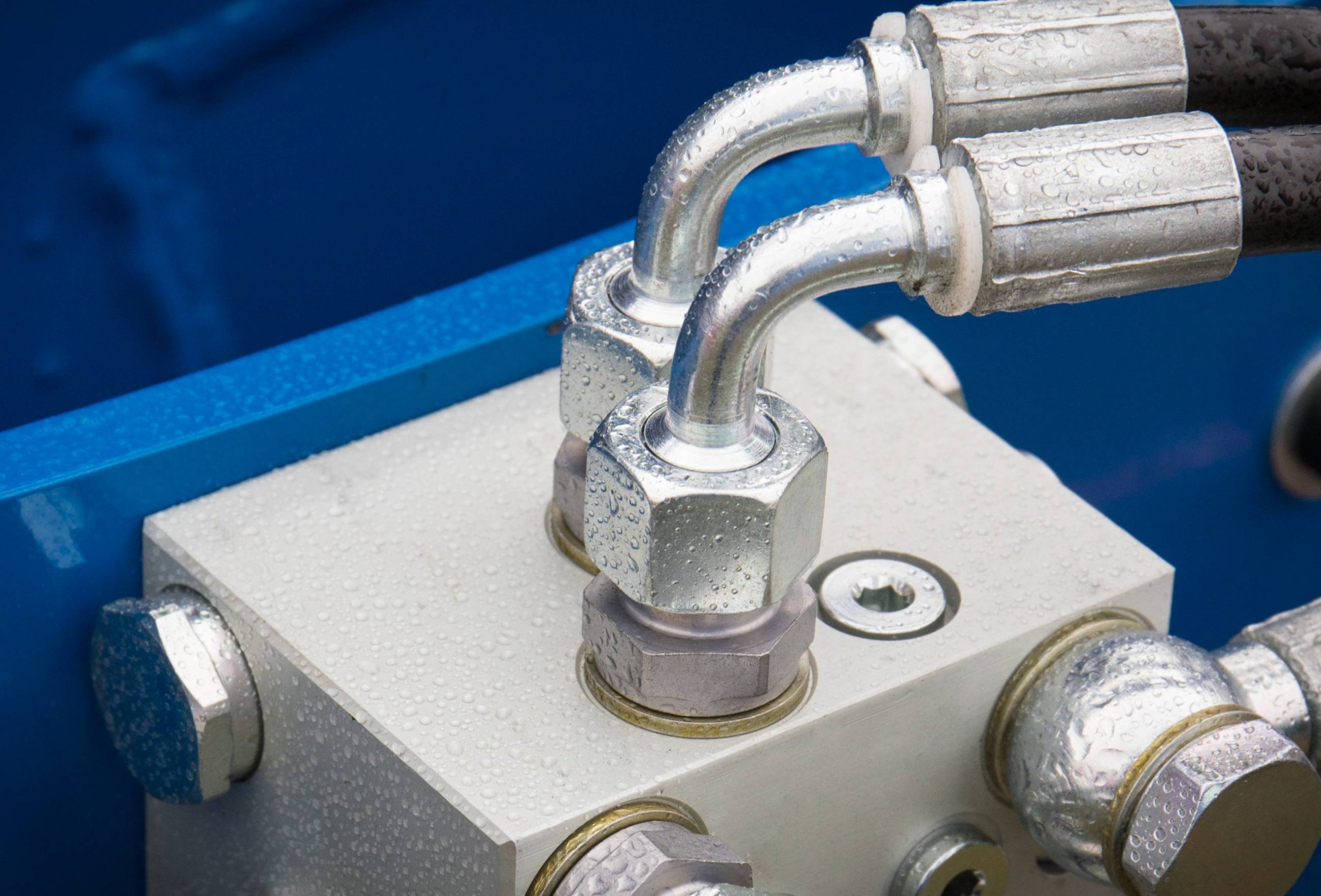
A quick release coupling fault usually gives a visible symptom of impending failure before it gives a clean diagnosis. Oil at the nose, a sleeve that will not retract, a coupling that...