
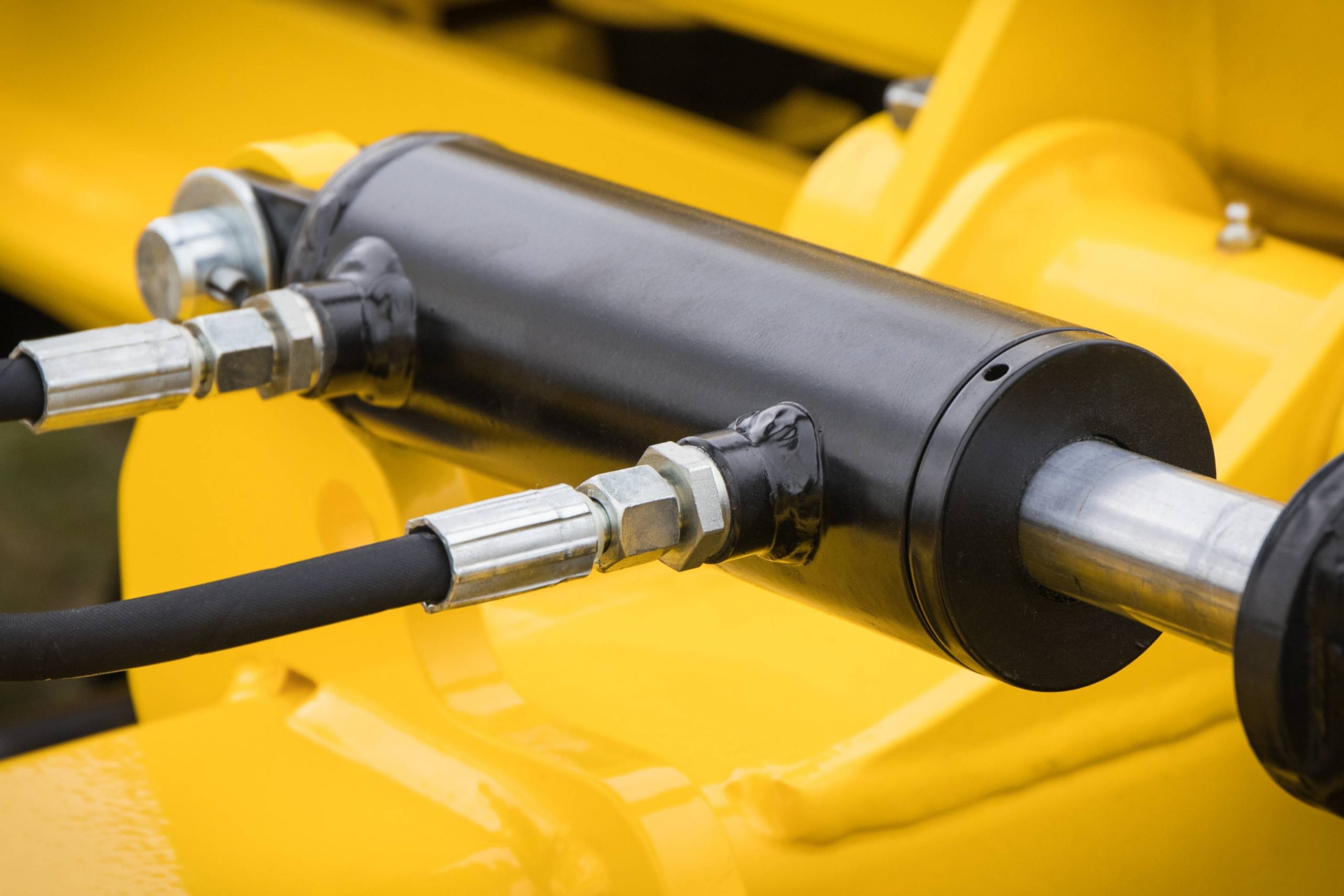
A hydraulic replacement can look straightforward until the component in question is held against the machine. Then the real questions appear, such as ‘will the ports face the right way’, ‘will the hose route still work’, ‘is there enough access to tighten the fitting’, and ‘will the replacement behave the same under the current duty?’ It’s enough to keep an engineer awake at night.

Like-for-like replacement is therefore not just a paperwork decision to be taken from the comfort of a desk. In hydraulic systems, the surrounding installation often decides whether (or not) the new component fits cleanly and performs properly. Read on as we look at the checks you should make before you replace like-for-like.
1. Check The Space Around The Component
The available envelope can change over a machine’s service life. For example, guards may have been added, pipework may have moved, or access may be tighter than it was when the original component was installed. Replacement of hydraulic cylinders, pump or valve can match the basic specification and still create fitting problems if the surrounding space has changed.
For a hydraulic cylinder, the review should include mounting clearance, rod extension, pin access, hose movement and any side-loading risk created by the machine structure. For hydraulic gear pumps, shaft access, coupling position, inlet route and case drain arrangements need checking before a replacement is treated as straightforward. For hydraulic solenoid valves, on the other hand, coil access, connector clearance and manual override position can affect maintenance as well as installation.
2. Ports And Hose Routes Can Decide The Job
A hydraulic replacement needs to work with the connections already on the machine. Port orientation, thread type, fitting depth, adapter use and hose bend radius all influence whether the component can be installed without creating strain elsewhere.
This is especially important if previous repairs have altered the route. A hose may have been lengthened to improve access, or a hydraulic adapter may have been added to clear an obstruction. Those details can make the next replacement more sensitive than it appears from the component description alone.
3. Similar Components Can Behave Differently
Two hydraulic cylinders with the same bore and stroke may not behave the same if the seal type, mounting arrangement, rod diameter or operating speed differs. Two hydraulic gear pumps may fit the same mounting pattern but differ in displacement, rotation, inlet tolerance or pressure capability. Two hydraulic solenoid valves may look similar while using different spool functions, coil voltages or flow ratings.
These differences matter because they affect the system’s behaviour after the part is fitted. A near match may fit physically but change response, speed, leakage characteristics, heat generation or pressure behaviour.
Keep The Check Focused On The Installation
A retrofit review does not need to cascade into a full redesign, but it should answer the physical and functional questions that decide whether the replacement will work in the machine as it stands – e.g. envelope, mounting, ports, thread forms, hose route, duty, electrical connection and service access. Photographs, measurements and component details can be useful, but only if they help answer those questions. The point is to remove uncertainty before the part reaches the machine.
What Next?
Before you replace like-for-like, it’s worth talking to a fluid power specialist about whether an alternative component is a better fit for system performance and longevity. Feel free to contact one of our knowledgeable team for advice on 01353 721704, or click here to send us a message.
Image Source: Envato